What the compressor ready cutter is built for
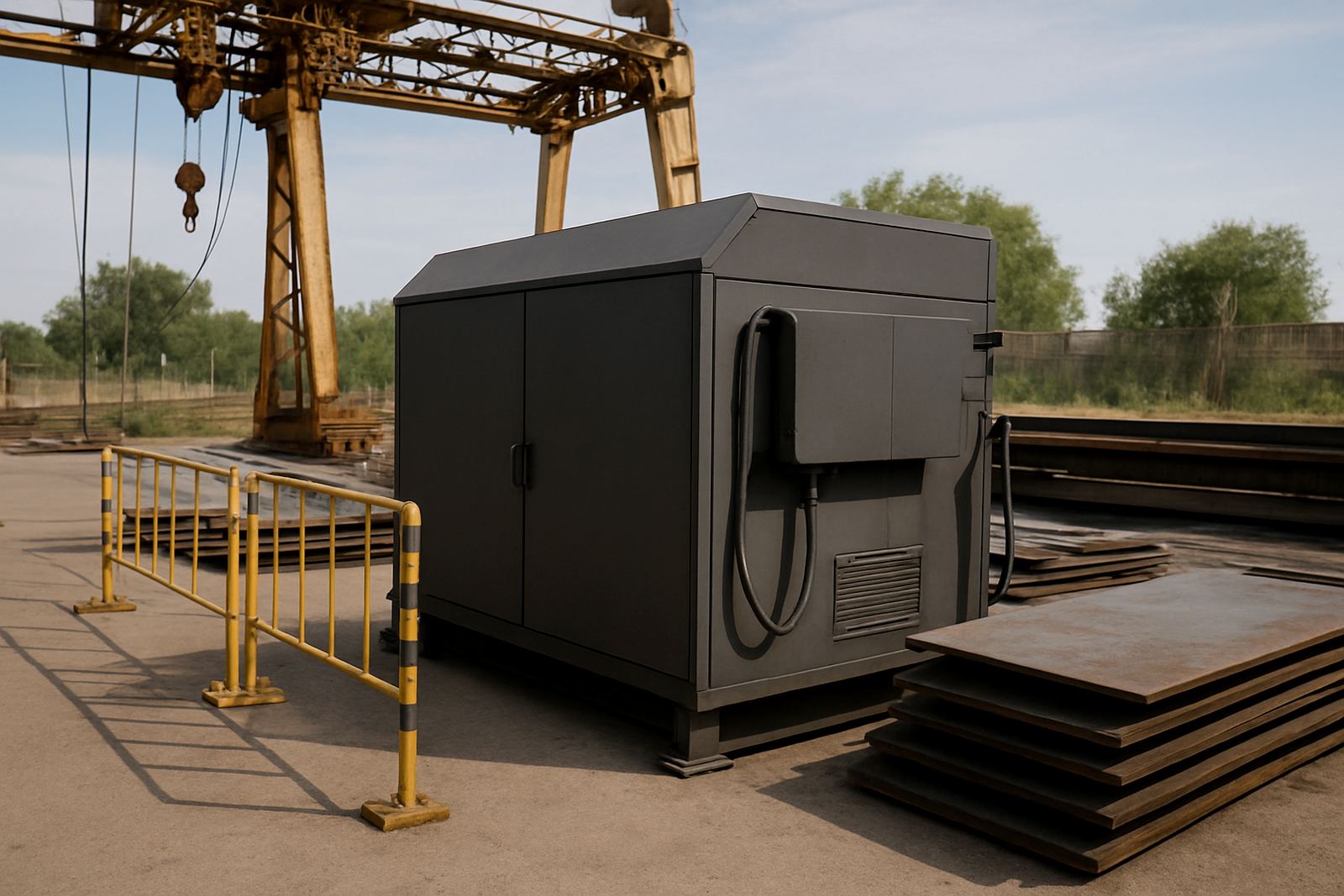
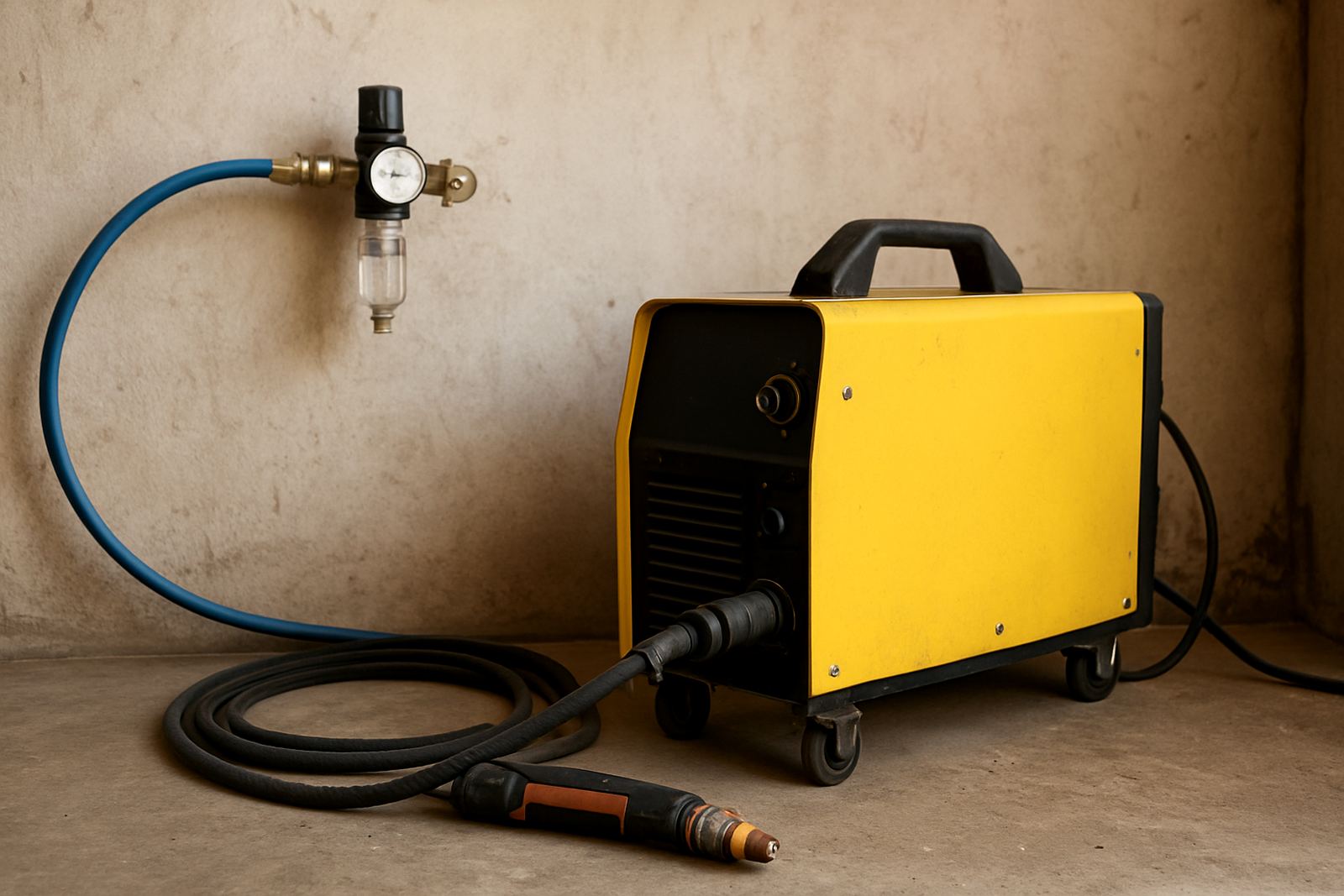
This cutter is made for sites that already run a proper compressed air line and want a plasma machine that can be brought into service without extra compressor hardware. It is a practical choice for metal shops, panel beaters, small fabrication yards and maintenance teams that need a machine ready to connect, set and use. In Vereeniging, Vanderbijlpark and Sasolburg we often recommend this type of setup where the workshop air system is already in place and the user wants a tidy installation with fewer moving parts.
The unit uses compressed air as the cutting gas, so the workshop needs clean, dry air at the right pressure and volume. That keeps cut edges cleaner, extends consumable life and reduces the chance of poor starts or erratic arc performance. It is a sensible option for South African working conditions where load-shedding, dust and fluctuating site conditions can make simple equipment choices easier to manage.
Sizes and options to match the job
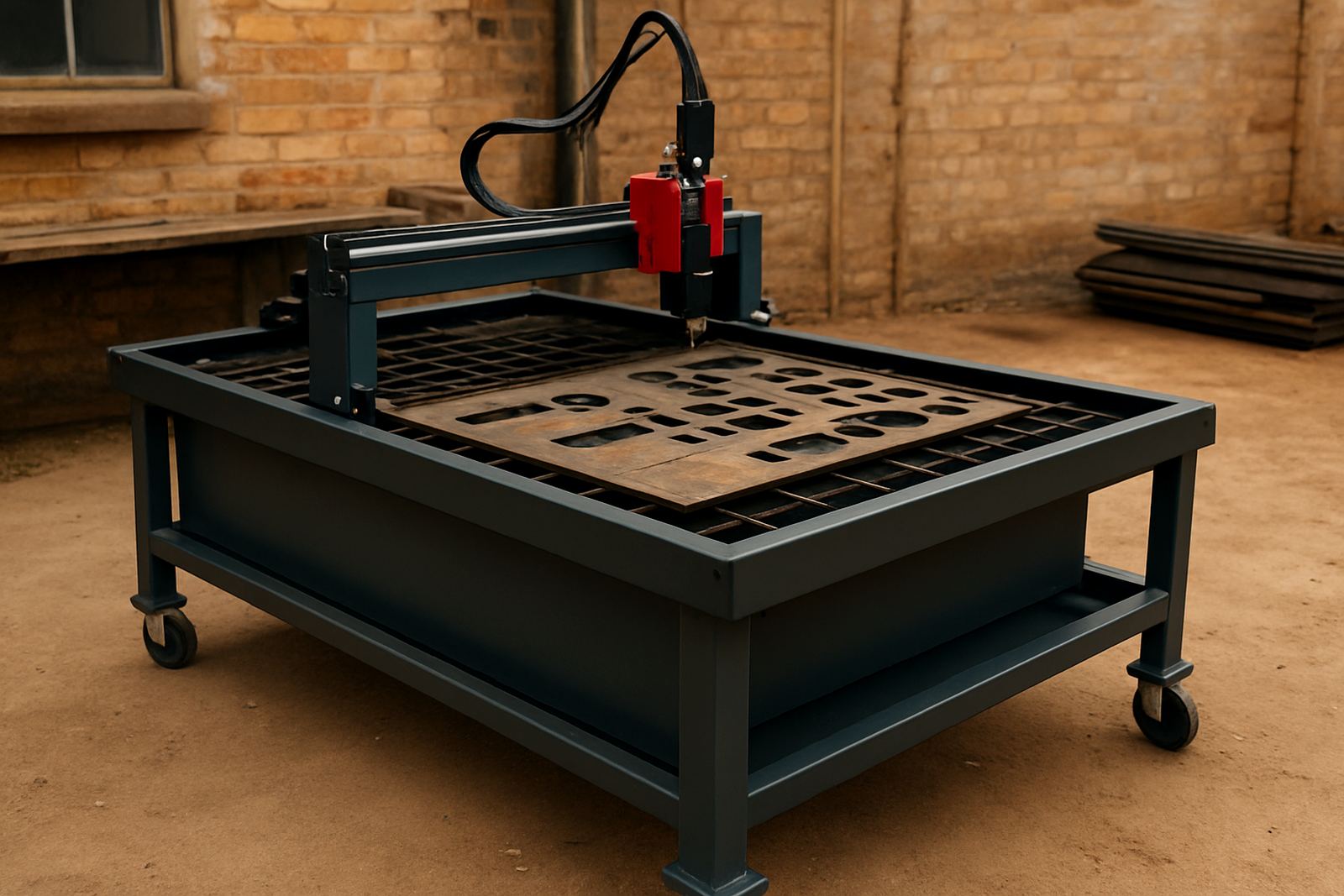
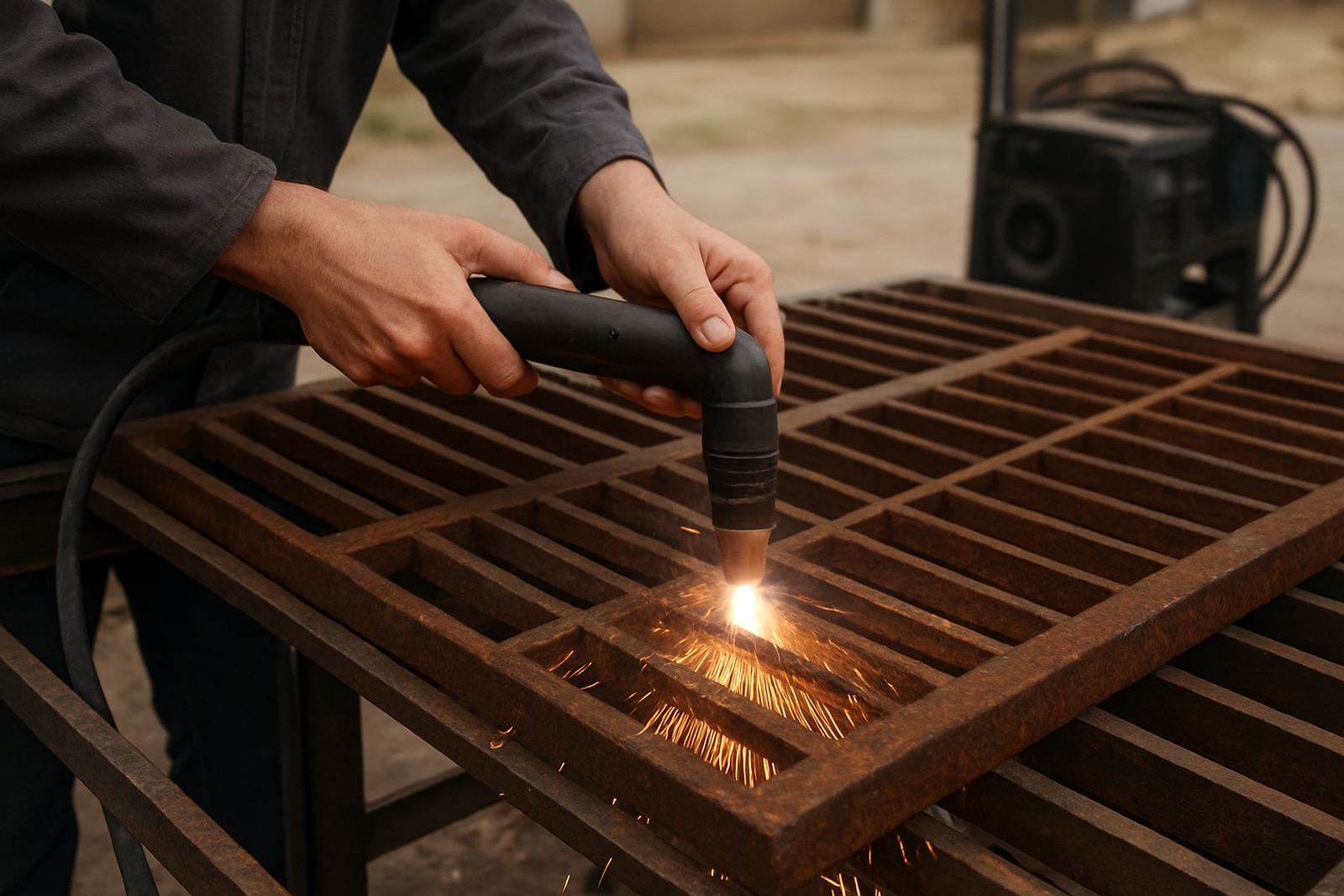
Compressor ready cutters are available in a few practical output levels, so you can match the machine to the thickness and type of material you cut most often. A smaller handheld unit suits light maintenance and repair work, while a higher-output model is better for thicker mild steel and more regular shop use. CNC-ready versions are available for table work, profile cutting and repeat parts.
When choosing a size, think about your daily workload, duty cycle and the clean cut thickness you need rather than only the maximum cut claim. A machine that is pushed too hard will need more servicing and the cut edge will suffer. For teams in Germiston, Alberton and Meyerton, that usually means choosing a unit with some spare capacity for busy days, not just the minimum spec.
- Handheld units for site work, repair jobs and general workshop cutting
- CNC compatible units for table-based profile cutting and repeat production
- Different torch lengths and cable options for bench or gantry layouts
- Current settings suited to thinner sheet, heavier plate, or mixed work
Where this model suits best
This product suits operations that already have a stable air supply and want quicker machine integration. It works well in fabrication shops, vehicle repair businesses, municipal workshops, agricultural repair yards and light engineering teams. It is also a good fit for businesses that cut in bursts through the day rather than running a compressor on the machine itself.
In coastal and inland areas alike, the air supply must be kept clean and dry. Moisture in the line can cause poor arc starts, rough cut faces and extra wear on consumables. If the site is in Bloemfontein or Welkom, for example, the air quality and pressure still need checking even when the ambient air feels dry. The plasma system needs care, not guess work.
- Metal fabrication and general engineering
- Automotive repair and body shop cutting
- Farm repair and equipment maintenance
- CNC profile cutting on small to mid sized tables
Installation, power and air requirements
Installation is straightforward when the workshop already has compressed air and suitable electrical supply. Most machines in this class are connected to a correctly rated single or three phase supply, depending on the model and output. The unit should be placed on a dry, ventilated surface with enough space around the torch leads, work return and air line. Where power quality is poor or load-shedding is a regular factor, a proper shutdown routine helps protect the machine and the workpiece.
The air line must deliver the pressure and flow the machine requires. A basic inline filter is not enough if the line carries water or oil. We normally advise a proper air treatment setup, especially for workshops that run long lines or operate near the coast. That is one of those small things that saves money over time, and prevents a lot of call-outs later on.
- Stable mains power matched to the machine rating
- Dry compressed air at the required pressure and flow
- Correct work return connection and clean earth point
- Enough space for torch movement, lead routing and ventilation
Care, servicing and cut quality
Good cut quality depends on more than the machine itself. Consumables must be checked often, air filters kept clean and torch parts replaced before they fail completely. If the nozzle or electrode is worn, the cut face will show it quickly. For shops cutting daily, a weekly consumables check is a good habit, and it keeps the cutter ready when a job comes in at short notice.
Our servicing support includes torch repairs, power source repairs, preventive maintenance, air system inspection and cut quality audits. For CNC users we also handle table servicing and height control calibration. If a machine starts leaving heavy dross or loses consistency on thicker plate, it usually needs a check on air, torch condition or setting. It is best not to keep forcing it.
Points to confirm before ordering this cutter
Before ordering, it helps to confirm the material thickness, the type of cutting you do and whether the machine will be used handheld or on a CNC table. Also check your available power, the air pressure at the point of use and whether you need extra torch length or a different consumable set. For jobs in Gauteng and the Free State, we can help you compare the site setup with the machine spec so the unit arrives suited to the work.
If you are setting up a new bay or replacing an older cutter, have your workshop airflow, outlet position and table size measured properly. That avoids delays when commissioning starts. It also helps to know whether you need operator training, spares supply or on site breakdown support after installation.
- Material type and maximum thickness cut per day
- Handheld use or CNC table use
- Available power supply and air delivery at the machine point
- Need for training, spares, or servicing cover
Key facts
| Product type | Compressor ready plasma cutter |
|---|---|
| Cutting medium | Compressed air |
| Typical use | Handheld cutting or CNC table integration |
| Best suited to | Workshops with an existing air system |
| Service area | Vereeniging, Gauteng and the Free State |
| Support | Commissioning, training, repairs and maintenance |