
Why a water bed table helps on a CNC plasma line
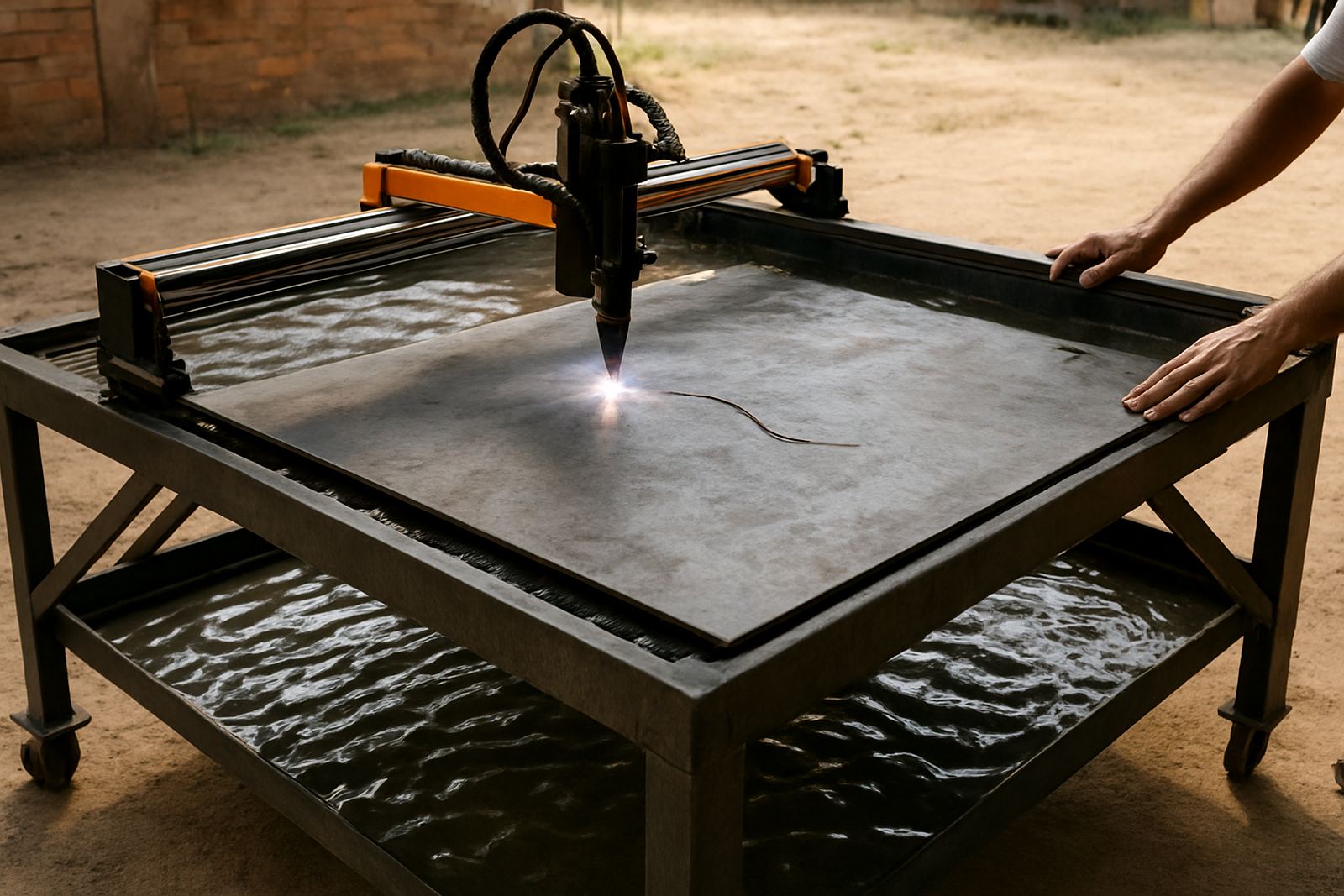
A water bed table is a cutting table with a shallow water tray under the slats or support bars. When the torch cuts through the sheet, the water helps catch sparks, cool the part and reduce the smoke that rises from the cut. In many Vereeniging, Vanderbijlpark and Alberton workshops, that makes a real difference when working indoors or near other machines.
The main benefit is practical. Less heat builds up in the sheet, so thin material tends to stay flatter and there is less spatter bouncing back onto the underside. It can also improve comfort for operators, because the air around the machine is cleaner and less hot. For mild steel jobs, especially repeated cutting on 1.6 mm to 12 mm plate, the table setup is easy to live with day after day.
Sizes, tray depths and build options to suit your workshop
Water bed tables are normally matched to the CNC cutting area and the heaviest sheet you plan to run. For smaller jobbing shops and hobby setups, a compact table may be enough. For fabrication and automotive work, larger beds give better sheet support and allow standard plate sizes to be loaded with less handling.
- Common cutting areas include 1.2 m x 2.4 m, 1.5 m x 3.0 m and 2.0 m x 4.0 m
- Tray depth can be selected for shallow or deeper water holding, depending on splash control and part clearance
- Slat spacing can be set for light sheet work or heavier plate support
- Drain points and access panels can be added for easier cleaning and water changes
- Optional water level markers help operators keep the tray at the right working depth
When choosing a size, think about your sheet stock, crane or fork access, and the floor space around the machine. In some shops the table needs to fit near an overhead extraction line or beside a roller door, so the layout matters just as much as the cut area.
Where a water bed table suits best
This table type suits metal fabrication shops, repair workshops, signage work and automotive part cutting where repeatability matters. It is especially useful where dust and fumes must be kept down without running a heavy extraction system all day. For sites in Bloemfontein, Welkom and Sasolburg, it also helps when the workshop door must stay closed because of wind, rain or winter dust.
It works well on mild steel, and with the right setup it can handle stainless and aluminium too. The table is a good choice where parts are cut in batches, where heat distortion has been a problem, or where neighbouring equipment should not be covered in fine cutting residue.
- Fabrication shops cutting brackets, frames and panels
- Automotive shops making repair sections and mounts
- Training rooms and small production cells
- Light industrial sites that need cleaner cutting conditions
Installation, utilities and site needs
Before installation, the floor must be level, able to carry the table weight and easy to clean around. Allow space at the front and sides for loading plate, changing slats and removing scrap. A good installation also needs enough room for the torch lead, cable track and controller cabinet, with clear access for servicing.
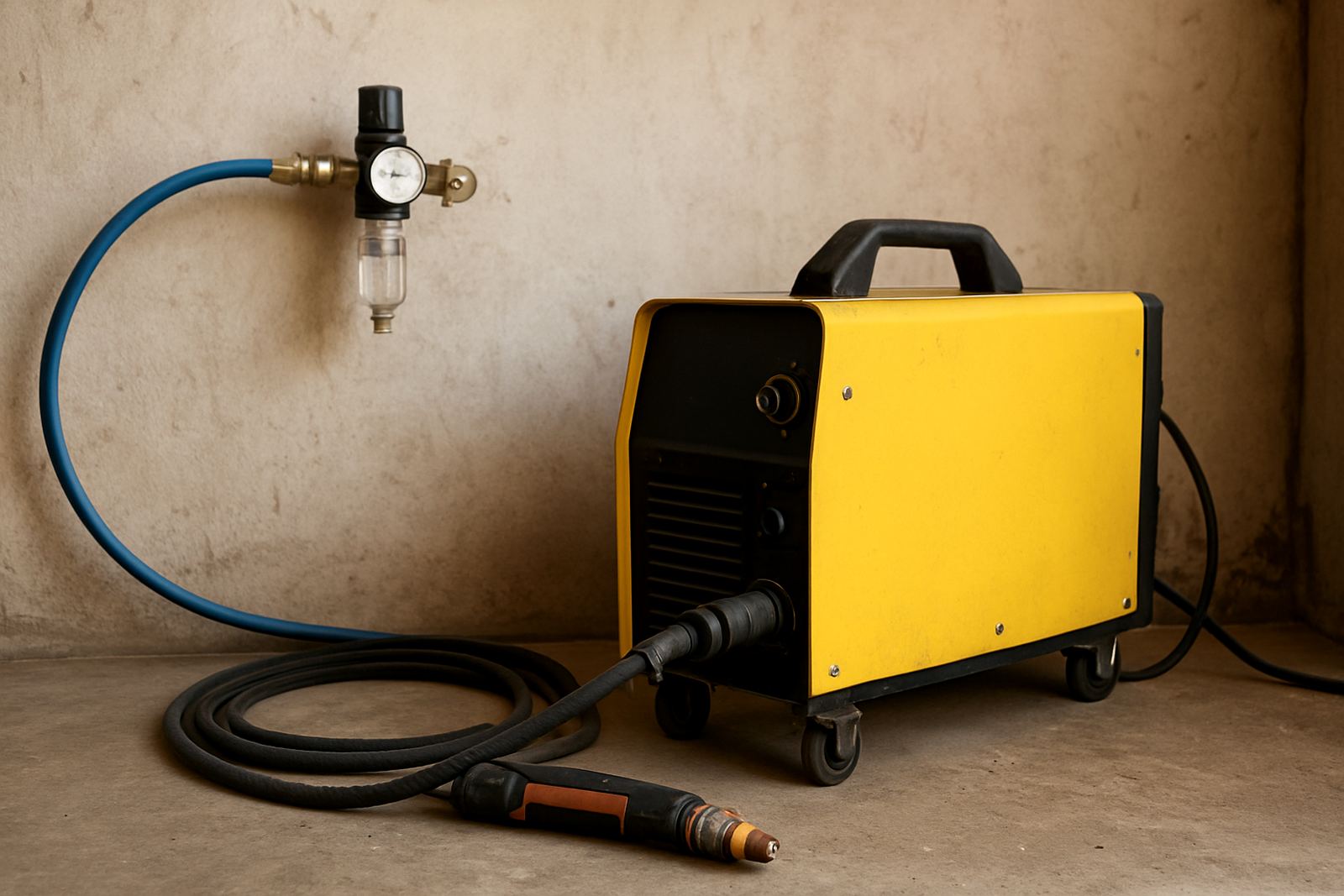
Power needs depend on the plasma power source and the CNC system selected, so the supply should be checked before delivery. Many sites use a dedicated electrical feed with proper protection and earthing. If your workshop runs through load-shedding, it is worth planning for stable power protection, because voltage dips can interrupt cut quality and increase wear on consumables. No gas is used for the water bed table itself, but the plasma cutter may need compressed air, and that air must be clean and dry.
- Level concrete floor with good drainage around the table area
- Stable electrical supply sized to the power source and controls
- Dry, filtered compressed air for cleaner cuts and longer consumable life
- Clear access for plate loading, service and water maintenance
Care, water quality and routine servicing
A water bed table needs regular attention to stay useful. Water should be checked for level, dirt and rust build-up. If the table is left standing for long periods, sludge can collect under the slats and around the drain points, which makes cleaning harder and can cause bad smells. In coastal or humid conditions this matters even more, but inland shops should still keep the tray clean.
Routine servicing normally includes removing dross, checking the slats for wear, inspecting the water tray for leaks and making sure the height control and machine motion stay accurate. If the table is used for long shifts, a weekly clean out is often better than waiting until the end of the month. Keep an eye on pumps, drain valves and any seals that show cracking. Small maintenance now is cheaper than a stop-start production day later, which nobody wants.
What to check before you order
When ordering, it helps to know exactly what you need to cut and how often you plan to run the machine. That makes sizing easier and helps avoid paying for features you will not use. It also helps the team match the table to your torch setup, cutting thickness and workshop workflow.
- Largest sheet size and heaviest plate you will load
- Typical material types and thickness ranges
- Whether the table will run indoors, under a roof, or in a more open bay
- Air supply details and whether drying equipment is already in place
- Need for operator training, commissioning or ongoing servicing
- Space available for maintenance access and scrap removal
PlasmaCutter supports customers from Vereeniging and across Gauteng and the Free State with demos, commissioning, servicing and training. If you are not sure which table size or setup suits your work, send an enquiry through the contact form and the team can help with the practical details before you place an order.
Key facts
| Product type | Water bed table for CNC plasma cutting |
|---|---|
| Typical sizes | 1.2 m x 2.4 m, 1.5 m x 3.0 m, 2.0 m x 4.0 m |
| Cutting support | Slatted cutting bed with water tray underneath |
| Main benefit | Reduces fumes, sparks and heat distortion |
| Utilities needed | Electrical supply and clean, dry compressed air for the plasma system |
| Best for | Mild steel, stainless steel and aluminium sheet cutting |