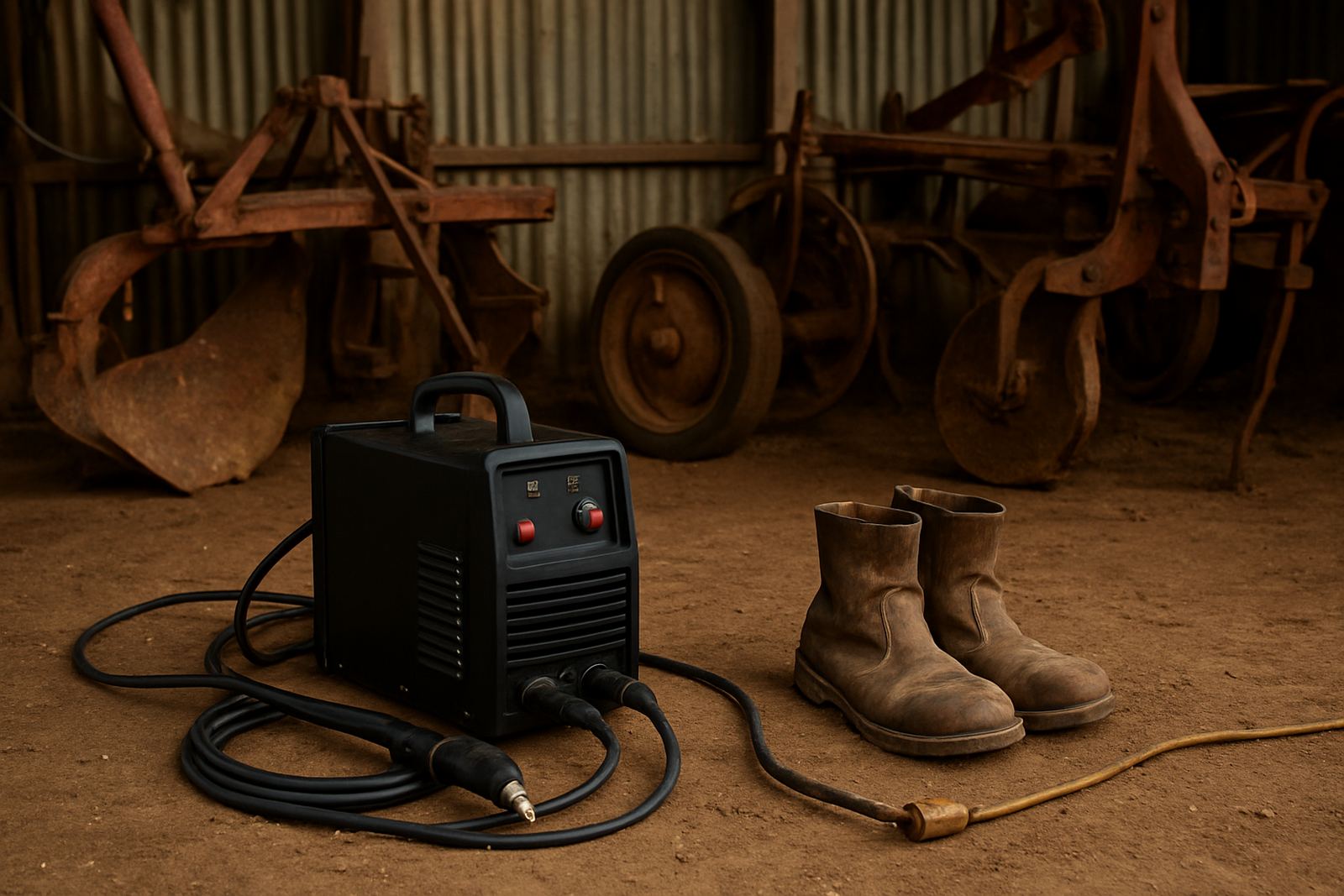
Built for farm repairs, not just the workshop
The Farm Repair Kit is set up for the kind of work that happens on a working property, where a broken hinge, cracked bracket or worn bracket mount needs attention before the day is over. It gives you the cutting tools and support parts needed for steel repair work on livestock gates, trailers, general workshop benches, implement frames and light machinery parts.
On many farms around Vereeniging, Sasolburg, Meyerton and Welkom, repairs need to happen where the equipment sits. That means the kit must cope with dust, long cable runs, uneven floors and regular power interruptions. This package is chosen for practical use, with parts that are easy to store, carry and service.
It suits owners who already weld and fabricate, as well as operators who need a reliable cutter for regular maintenance. If you handle mild steel, sheet steel and common farm steel sections, the kit helps you cut faster and with less grinding after the fact.
What is included in the kit
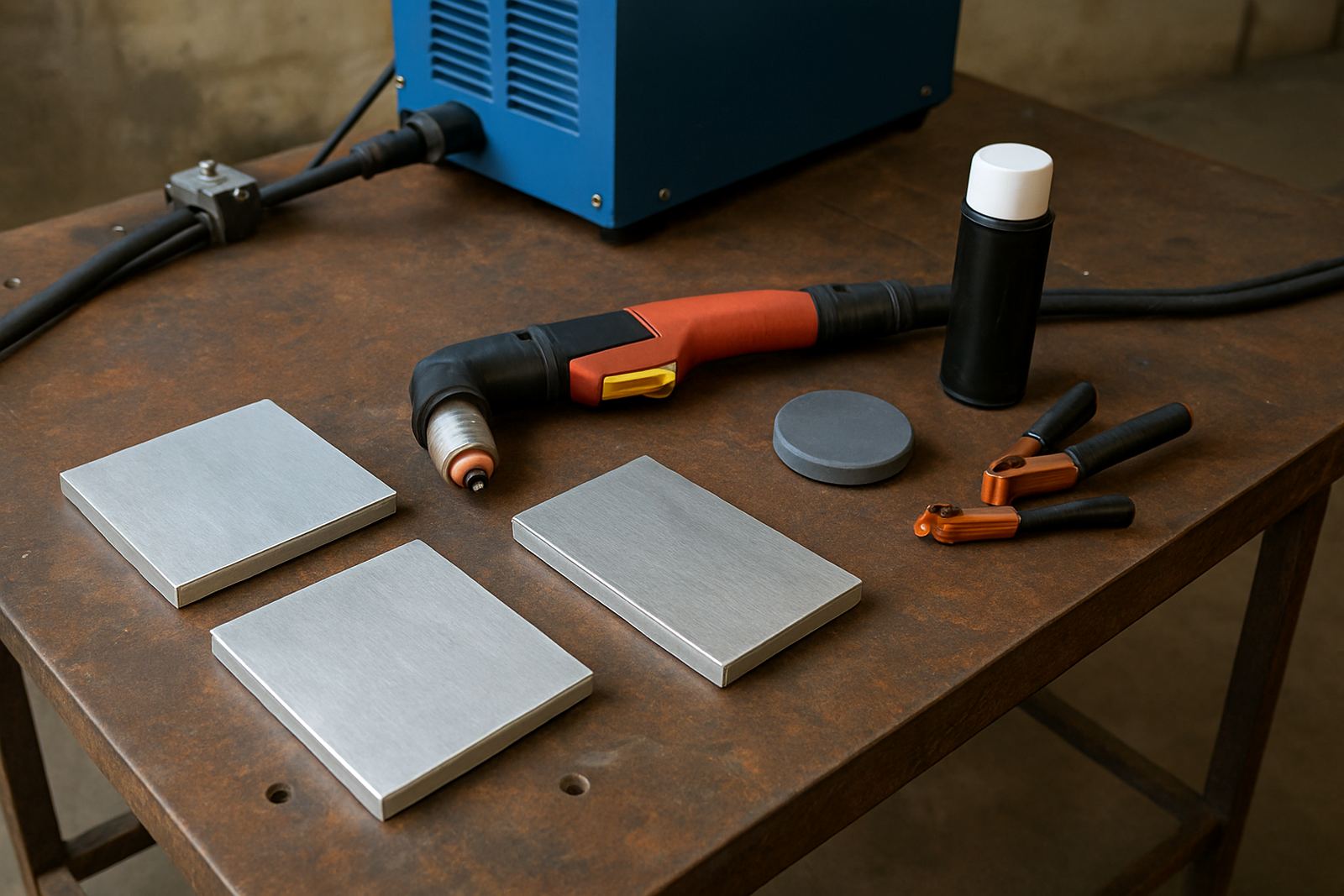
The exact package can be matched to the work you do, but the Farm Repair Kit normally centres on a handheld plasma cutter with the correct torch, leads and consumables for routine cutting. A typical set is supplied with a durable torch, earth clamp, air hose connection, starter consumables and a storage case or carry arrangement where required.
- Handheld plasma cutting unit for general steel repair work
- Cutting torch with matching lead length for yard use
- Earth clamp and return lead
- Consumables pack with tips, electrodes and nozzles
- Air line connection and moisture control guidance
- Basic operating and safety notes for farm use
Options can be matched to lighter repair work or more regular use. If your team cuts thicker plate, or if the kit is for repeated use in a busy repair bay, the set can be configured with a higher output machine and longer leads. For smaller jobs, a lighter unit keeps the package easier to move between buildings and sheds.
Where the kit works best
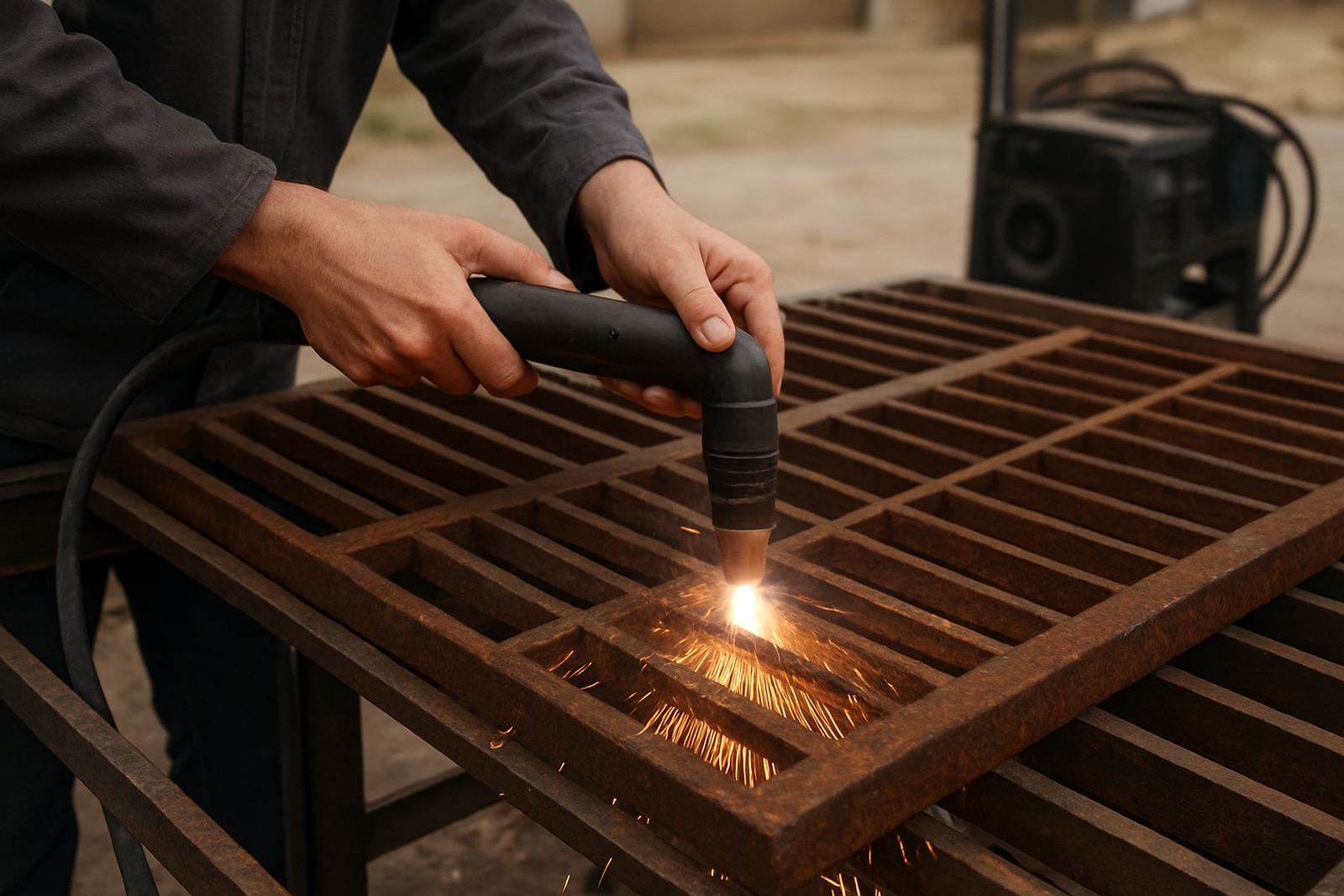
This product suits agricultural repairs where clean cuts matter and the operator needs speed without dragging heavy equipment around. It is useful for cutting damaged sections from plough components, brackets, transport frames, loading ramps, mesh fencing repairs and general fabrication around a workshop or maintenance yard.
The kit is also useful where the environment is tough on equipment. Coastal humidity is less of a concern inland, but dust, fertiliser residue, heat and vibration still affect tools. For farms near Alberton, Germiston and Vanderbijlpark where workshop traffic is high, the kit gives a practical cutting option for daily maintenance and quick turnarounds.
If you do site maintenance for a co-op, contractor or farm repair team, this is a sensible choice when you need portable cutting without setting up full CNC equipment. It is especially handy for mixed jobs where steel thickness changes from one task to the next.
Power, air supply and setup needs
A plasma cutter needs a stable power supply and clean, dry compressed air. In farm settings, that usually means checking the supply before first use, especially where load-shedding, long extension runs or generator changeovers are part of the daily routine. The unit should be matched to the available input voltage and breaker size at the point where it will be used.
Air quality matters just as much as power. Water, oil and dirt in the air line will shorten consumable life and affect cut quality. A proper filter and moisture trap are strongly recommended, and in dusty areas it helps to keep the compressor and cutter off the floor where possible.
- Confirm input voltage and phase before ordering
- Allow enough amperage headroom for start-up and cutting
- Use dry compressed air at the pressure recommended for the torch
- Keep cables clear of slurry, scrap and moving equipment
- Have a generator checked for stable output if grid supply is unreliable
For farm use, a tidy setup saves time later. A short, well-routed air line and a properly earthed work area help with cut consistency and reduce nuisance faults.
Cutting thickness and package options
The right Farm Repair Kit depends on the thickness of steel you expect to cut most often. A lighter package is suitable for sheet, angle iron, brackets and smaller sections, while a heavier package is better for plate, wear parts and structural repairs. The machine should always be selected with some allowance for real-world conditions, because dirty steel, paint and rust can reduce practical cut speed.
When comparing options, look at duty cycle, output range and torch cable length. If your team works outdoors or from a mobile service vehicle, longer leads and a tougher carry arrangement are useful. If the machine will stay in one workshop, a fixed position setup with better air prep may be the better choice.
- Light duty repair set for occasional maintenance work
- Mid range set for regular farm and workshop use
- Higher output set for thicker steel and longer shifts
- Longer torch lead options for vehicle or yard repairs
- Consumable packs sized to expected monthly use
Tell us what thickness you cut most often, and whether the work is fixed or mobile. That makes it easier to match the kit properly instead of overspecifying it or leaving you short on output.
Care, servicing and consumables control
Good care keeps the Farm Repair Kit working properly and keeps running costs down. Most plasma faults on site start with worn consumables, dirty air or poor storage rather than a failed machine. A simple service habit goes a long way, especially when the kit is used in a dusty farm shed or carried from one repair point to another.
Check the torch consumables regularly and replace them before they become badly worn. Inspect the earth clamp, cable insulation and air fittings for heat marks, cuts or loose connections. If the unit is used near grinding work, keep metal dust away from the torch and control panel. After wet weather, allow the machine to dry properly before packing it away.
PlasmaCutter supports torch repairs, power source repairs, preventive maintenance, consumables checks, air system inspection, machine commissioning and operator training across Gauteng and the Free State. That support helps when a farm team needs a quick fault find or advice on better cut quality.
Points to confirm before ordering this cutter
Before ordering, it helps to note what materials you cut, how thick they are, and whether the kit will live in one workshop or travel between sites. Also confirm the power supply available on site, the compressor size, and whether your staff need training on safe plasma use. These details affect the final selection and prevent delays when the kit arrives.
You should also check the type of work you plan to do. A gate repair setup may need a different torch lead length than a maintenance team working on trailer frames in the yard. If the kit is for a mobile service vehicle, ask for the storage and transport requirements as well.
- Typical steel thickness you cut most often
- Check whether the site has single-phase or three-phase power available
- Air compressor capacity and filtration setup
- Need for longer leads or mobile storage
- Frequency of use and expected consumable usage
Clients in Vereeniging, Vanderbijlpark, Sasolburg, Meyerton, Alberton, Germiston, Bloemfontein and Welkom can send an enquiry through the contact page, and we will help match the kit to the repair work you actually do.
Key facts
| Product type | Portable plasma cutting package for farm and workshop repair work |
|---|---|
| Typical use | Cutting mild steel, brackets, sheet, frames and light structural parts |
| Power requirement | Matched to single phase or three phase supply, depending on model |
| Air requirement | Clean, dry compressed air with moisture control |
| Supplied with | Torch, earth clamp, leads, starter consumables and setup guidance |
| Support available | Commissioning, training, servicing, repairs and consumables supply |