A compact cutter for work that happens away from the bench
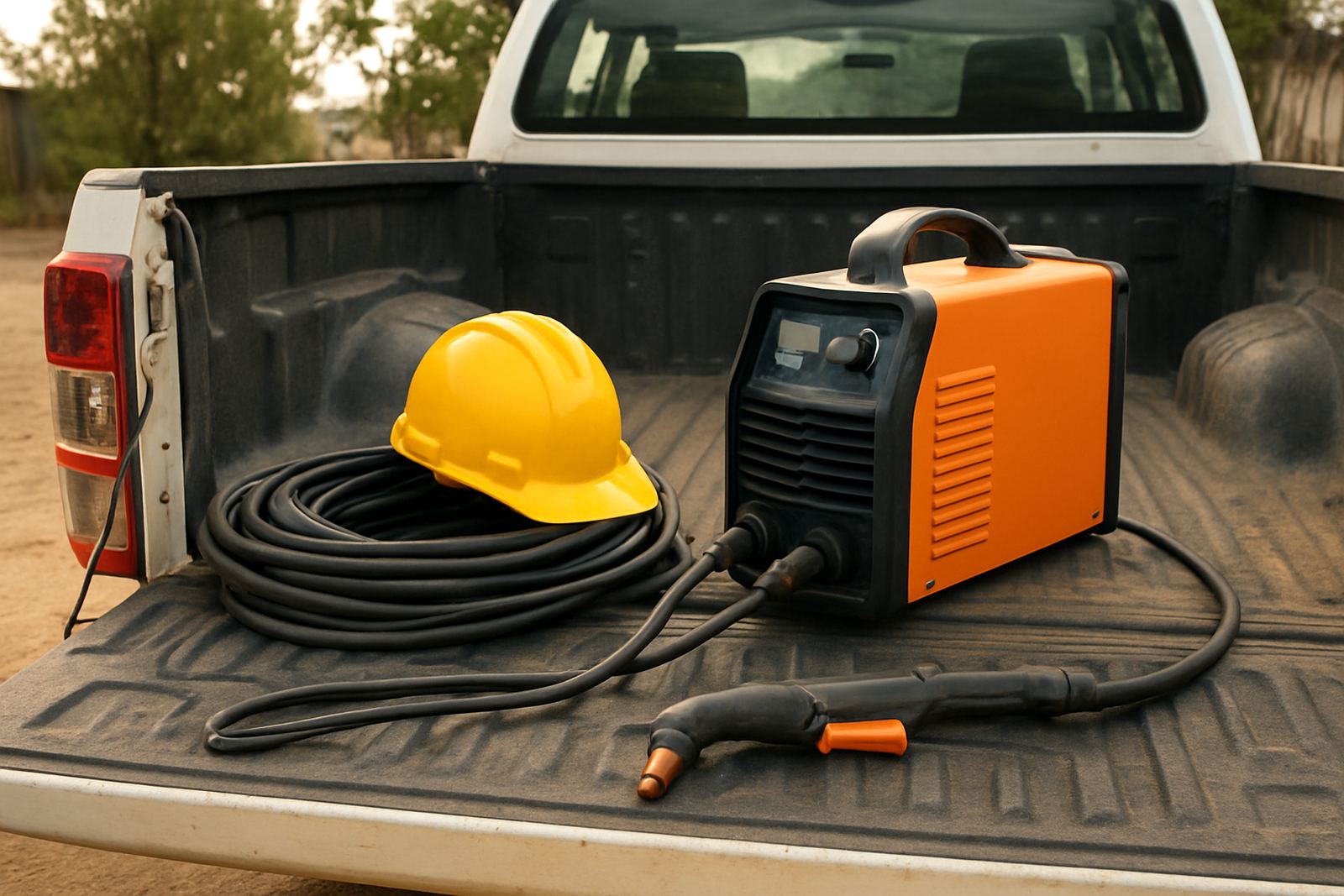
The Portable Field Cutter is built for cutting steel in places where access is tight and time matters. It suits maintenance crews, agricultural teams, fitters and fabricators who need a machine they can carry to the job instead of bringing the job to the machine. For Vereeniging, Vanderbijlpark, Sasolburg and surrounding industrial areas, that often means quick repairs on gates, brackets, plant guarding and trailer work. In farming areas around the Free State it is useful for stock pens, feed structures and equipment repairs.
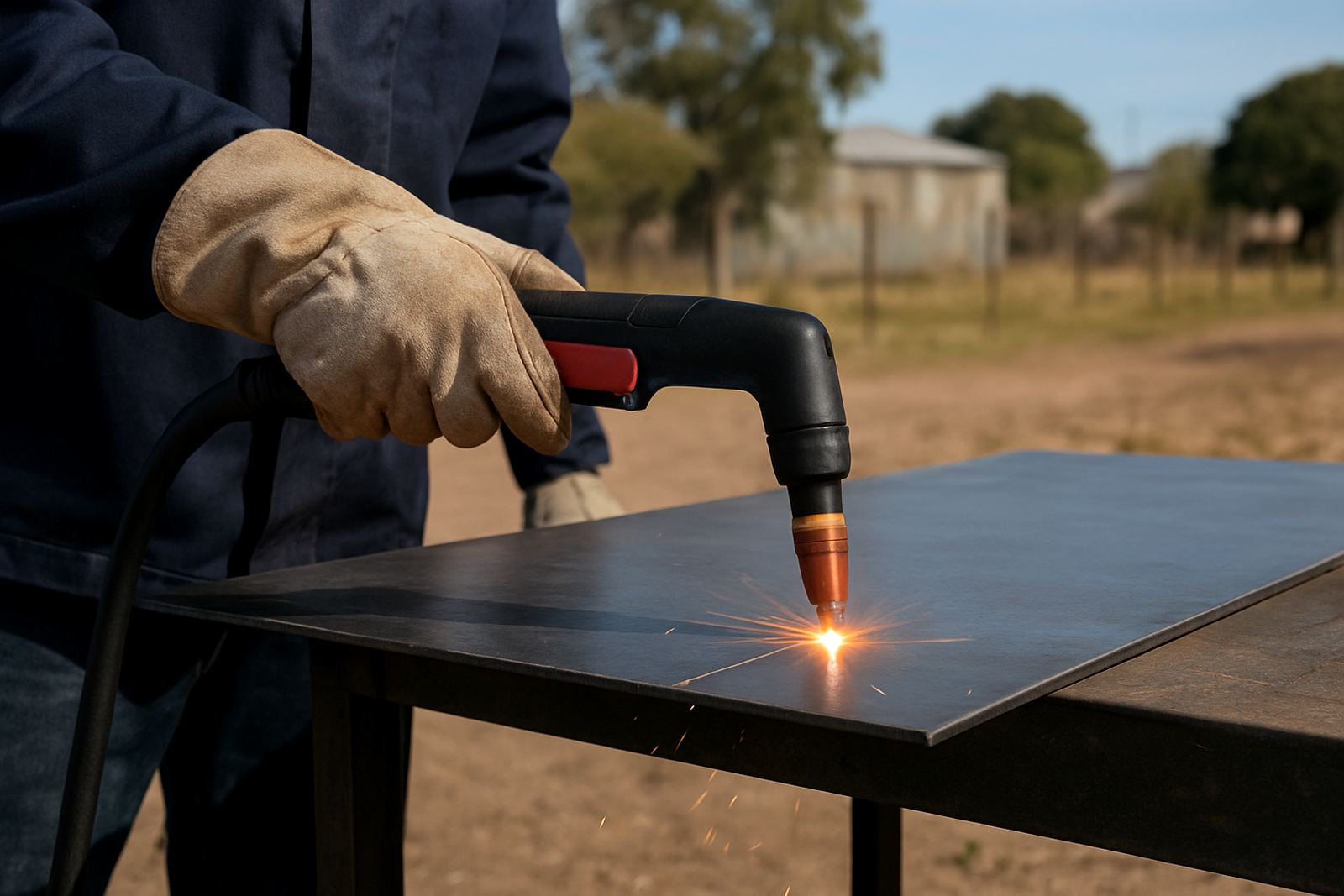
This unit is a practical choice when you need straight, controlled cuts on plate, angle and tubing. It gives a clean kerf with far less grinding than oxy-fuel on thinner material, and it starts fast for short jobs. If your work changes from workshop to field and back again, a portable unit can save time on setup and reduce handling damage. It is also easier to move during load-shedding planning because a compact cutter can be paired with a suitable generator or site supply where needed.
Typical sizes and options for South African users
We supply portable field cutting setups in different current ranges so you can match the machine to the material you cut most often. The right choice depends on plate thickness, duty cycle and whether you need a lighter unit for occasional repairs or a stronger unit for daily production work. For automotive repair, maintenance shops and farm contractors, the main decision is usually between portability and cut capacity.
- Light duty units for sheet, light fabrication and general repairs
- Mid-range units for thicker brackets, frames and mixed workshop work
- Higher output units for regular site cutting and heavier plate
- Optional torch lengths for better reach around equipment and machinery
- Air-cooled handheld torches for simple transport and lower running cost
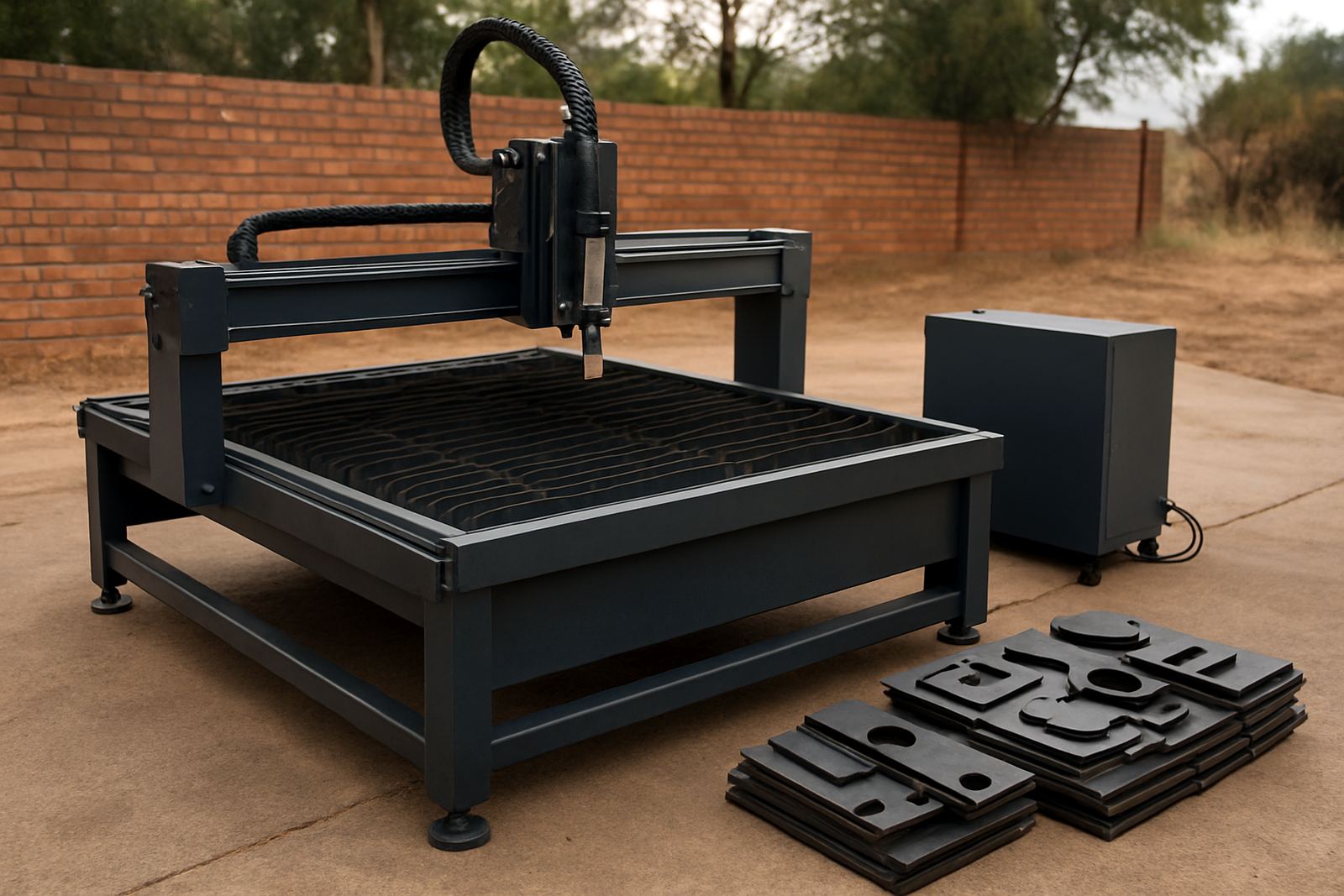
- Some setups can be paired with a CNC table later if your work grows
As a guide, many operators look for clean hand cutting on mild steel from about 1 mm up to 25 mm, with pierce capacity lower than the maximum cut rating. If you need frequent thicker cuts, ask for the best match so you are not buying too small and running the machine hard all day.
Where the portable field cutter works best
This machine is suited to site repairs, farm maintenance, municipal support work and mobile fabrication. It is handy for cutting damaged sections off machinery, trimming new parts to size, opening access points and shortening material on site. A contractor working across Alberton, Germiston or Bloemfontein may use it for both breakdowns and planned repairs, while a farm team near Welkom might use it for fencing, gates and implement repairs.
- Field repairs on plant, trailers and agricultural equipment
- Light fabrication on site where a full workshop is not available
- Short runs of cutting where setup time must stay low
- Off-bench work on large items that are difficult to move
- Temporary maintenance crews needing portable cutting capacity
Because the unit is mobile, it also helps when jobs are split across several locations in one day. You can cut, fit and move on without waiting for an item to be transported back to base. That matters when transport costs, downtime and access restrictions all stack up. In some municipal or industrial sites, keeping the cutting plant compact also makes it easier to work within site rules and safety controls.
Power, air and site setup before you cut
Like all plasma equipment, the Portable Field Cutter needs a stable power supply and clean, dry compressed air. Power requirements depend on the model selected, but the basic rule is to provide enough current without overloading the circuit. Where mains supply is not reliable, a correctly sized generator may be used if it gives clean output and enough capacity for start-up and cutting loads. That is important in areas affected by load-shedding and on remote sites with limited infrastructure.
Air quality matters just as much. Moisture in the air line will affect cut quality, consumable life and starting performance. On coastal humidity is less of a factor in Gauteng than on the coast, but water in the line still builds up fast when compressors run hard. Fit a proper filter, drain the tank daily and inspect hose fittings before work starts. A simple setup done well will often cut better than a big machine fed with bad air.
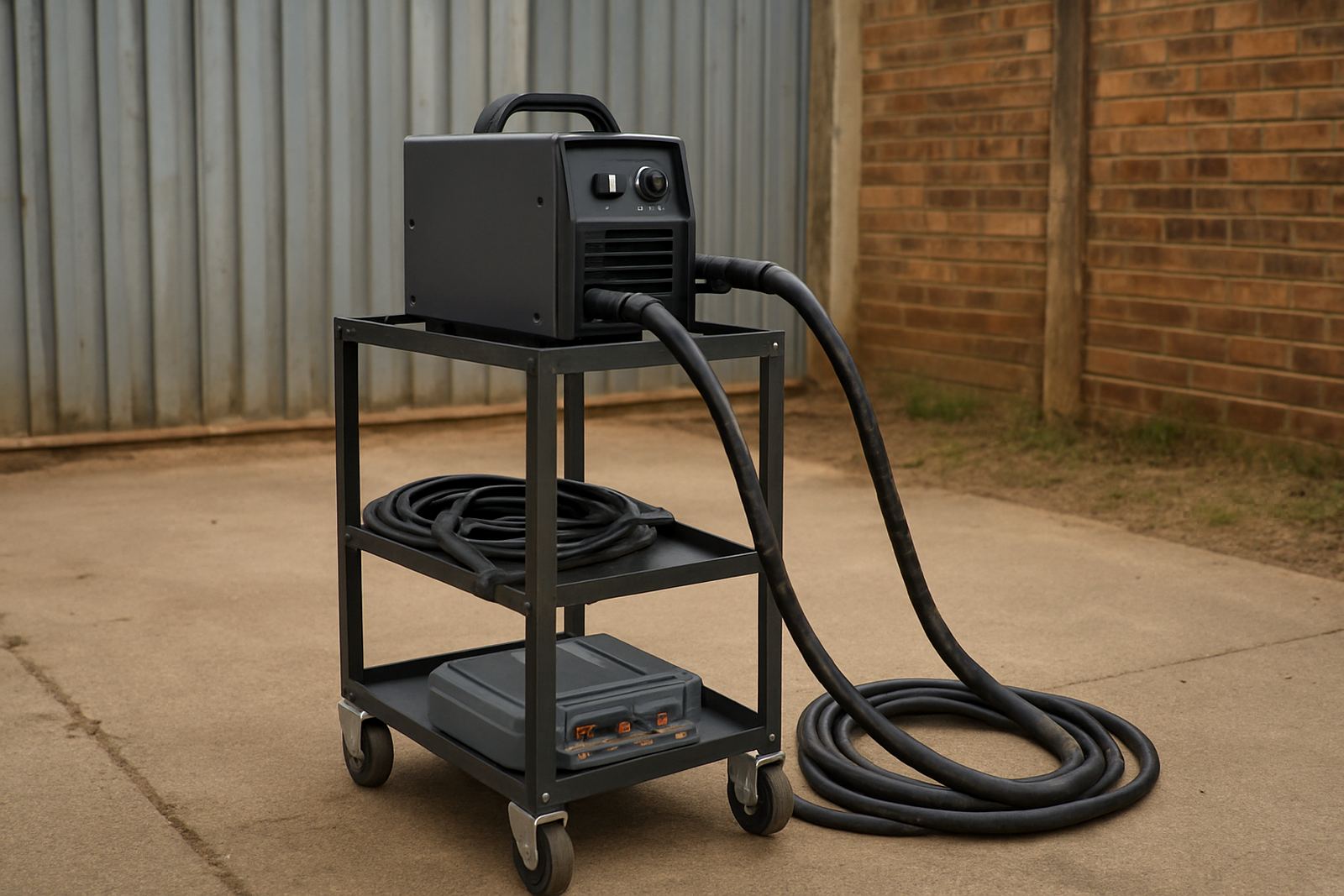
For gas and consumables, check that the torch, cable set and fittings match the machine specification before commissioning. If the machine will be used on site, make sure cables are long enough for the work area and protected from sharp edges, heat and vehicle traffic. Keep extension leads and air hoses tidy, because most breakdowns start with poor cable handling not the cutter itself.
Care, servicing and keeping cut quality consistent
Portable plasma cutters last longer when they are cleaned and checked regularly. Dust, metal fines and damaged torch parts are the main causes of poor performance. The front end of the torch should be inspected for wear, and consumables replaced before they fail completely. When cut edges begin to show more dross or the arc becomes unstable, it is usually time to check the air supply, torch parts and settings.
- Check consumables before each shift and replace worn parts early
- Drain compressor moisture and inspect the air filter regularly
- Keep the torch lead free of kinks, cuts and hot contact points
- Store the unit in a dry place when not in use
- Book preventive maintenance if the machine is used daily or on site
- Ask for a cut quality audit if finish or bevel starts changing
Our Vereeniging team handles torch repairs, power source repairs, preventive maintenance, consumables checks, air system inspection and on site breakdowns across Gauteng and the Free State. If a machine has been bumped during transport or has started cutting unevenly, it is worth having it checked before the issue becomes a bigger repair.
Points to confirm before ordering this cutter
When ordering a Portable Field Cutter, think through the work you do most often and the conditions where the machine will run. The right setup depends on material thickness, how far the cutter must travel, whether you need single phase or three phase power, and if the machine will live in a workshop or move from site to site. If you are setting up a new service vehicle or expanding a maintenance team, the details matter because they affect both cost and downtime.
Useful order checks include the current range, pierce capacity, duty cycle, torch length, cable length, available power, air source and whether you need training for operators. Also check if spare consumables are included or supplied separately, and whether you want commissioning on site. For businesses in Meyerton, Sasolburg or Bloemfontein, arranging commissioning and a short operator session can save a lot of repeat calls later.
Our team led by Marius van der Merwe can assist with product selection, training, service planning and field support. Kgomotso Mhlongo, Johan Botha, Phenyo Diale, Ruan Visser and Naledi Selebalo work with clients from first enquiry through to delivery, setup and aftercare. If you need a mobile cutter that can handle real jobsite conditions, we can help you choose the right match for the way you work.
Key facts
| Machine type | Portable handheld plasma cutter for site and workshop use |
|---|---|
| Typical cut range | 1 mm to 25 mm mild steel depending on model |
| Power supply | Built in single-phase or three-phase versions for the Portable Field Cutter range |
| Air requirement | Clean, dry compressed air with proper filtration |
| Torch | Handheld torch with consumable set and lead package |
| Support area | Vereeniging, Gauteng and the Free State with demos and servicing |