
Built for steady output without taking over the workshop
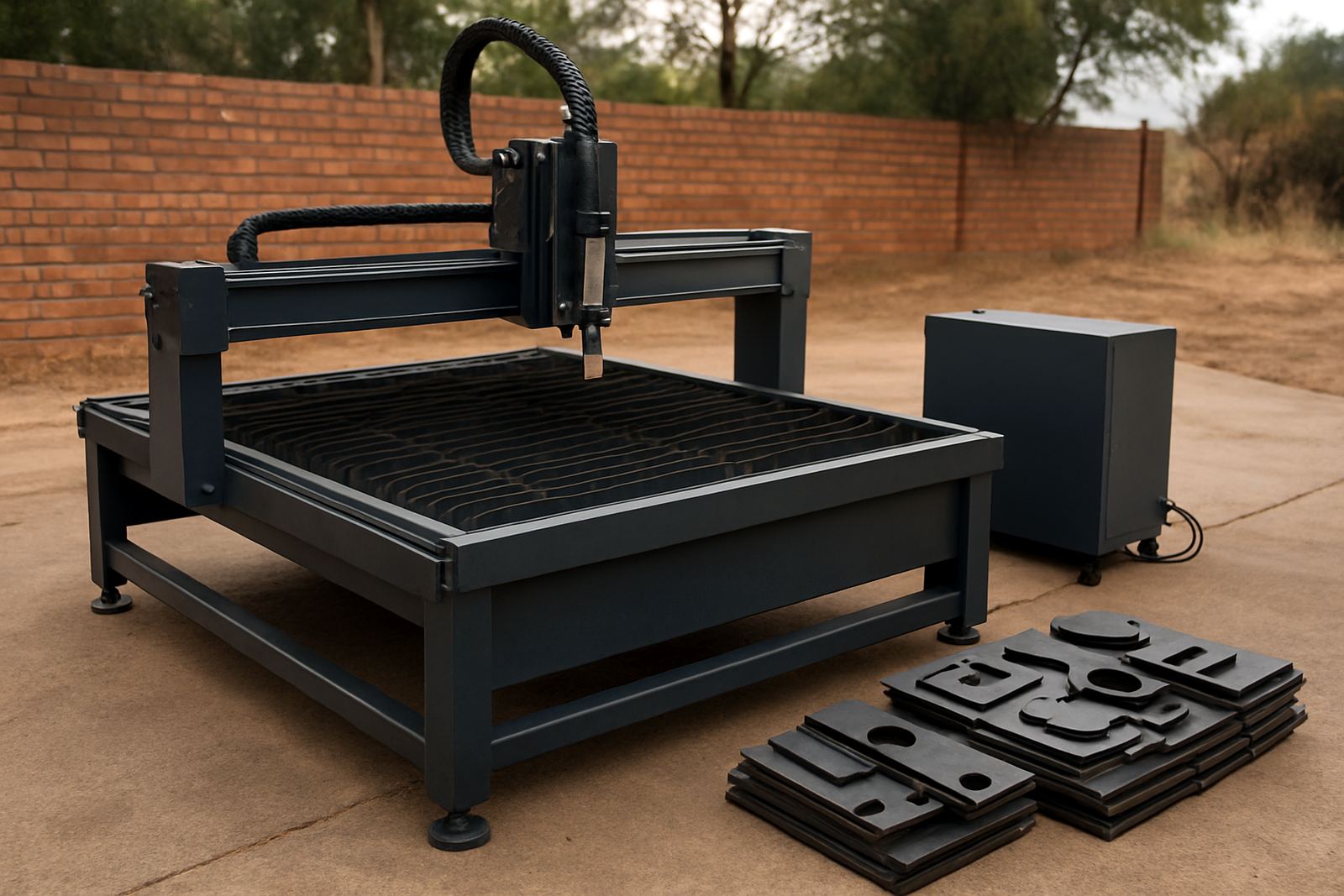
The mid size CNC table is the practical choice when hand cutting is no longer enough, but a large production line would be too much for your space and budget. It is sized for regular sheet work, nested parts and repeat jobs, with enough travel to handle useful plate dimensions while still fitting into a proper fabrication bay. For many Vereeniging, Vanderbijlpark and Sasolburg workshops, this is the point where production becomes easier to plan and easier to repeat.
Most users want a table that can hold sheet accurately, move cleanly on the X and Y axes, and keep cut quality consistent from the first part to the last. That is what this class is for. It is suitable for steel fabrication, farm equipment repairs, sign work, vehicle brackets, guards, flanges and general jobbing work. If your team is cutting parts all week, a mid size CNC table can save time on marking out, grinding and rework.
- Balanced footprint for medium workshop floor space
- Good choice for repeat parts and nested cutting
- Suitable for mild steel, stainless steel and aluminium within the machine limits
- Better part consistency than manual cutting, with less scrap
Typical sizes and table options to consider
Mid size tables are usually selected by sheet size, cutting area and the thickness range you work with most often. The exact table choice depends on whether you cut standard sheet, offcuts or full plates, and how much clearance you need for loading and offloading. In practice, many workshops look for a table that can handle sheets in the 1 500 mm by 3 000 mm to 2 000 mm by 4 000 mm range, with a cutting area slightly smaller than the full external frame.
You can also choose from different frame styles, water tray or fume extraction setup, slat spacing and drive arrangements. A water tray can help with smoke and heat control, while dry extraction is often preferred where dust collection and airflow are already planned into the workshop. If your work changes often, ask about a table with enough spare capacity for future growth so you do not outgrow it too quickly.
- Common sheet handling sizes: 1 500 x 3 000 mm, 2 000 x 3 000 mm and 2 000 x 4 000 mm
- Cutting area should allow for edge margins and clamp clearance
- Water tray or dry extraction depending on your shop layout
- Single torch setups for general work, with upgrade paths where needed
Where a mid size table makes the most sense
This size suits fabrication shops that need cleaner repeatability but do not yet need a full industrial line. It works well for medium production runs, repair shops and contract cutters who need a machine that can cope with mixed jobs through the week. If you are running on municipal supply, managing load-shedding, or dealing with variable workshop voltage, a sensible power plan is important so the table and plasma power source stay stable.
In Gauteng and the Free State we often see this table used for gate parts, truck fitment work, agricultural spares, trailer components, machine guards and small structural parts. It also suits automotive workshops that want better part accuracy for brackets, templates and repeat repair pieces. For towns like Alberton, Germiston, Meyerton, Bloemfontein and Welkom, the advantage is simple: you can keep production in house and reduce delays from outside suppliers.
- Metal fabrication workshops
- Automotive and fitment shops
- Agricultural repair and parts making
- General jobbing and light manufacturing
Installation, power and gas basics before commissioning
A mid size CNC table needs a level floor, good access for loading sheets and enough room for operators to move safely around it. Allow space for the control station, gas bottles if used, air supply and finished parts. If the floor is uneven, or if the table sits near heavy traffic, the motion system can suffer and cut quality drops. A proper installation makes a big difference to long term accuracy.
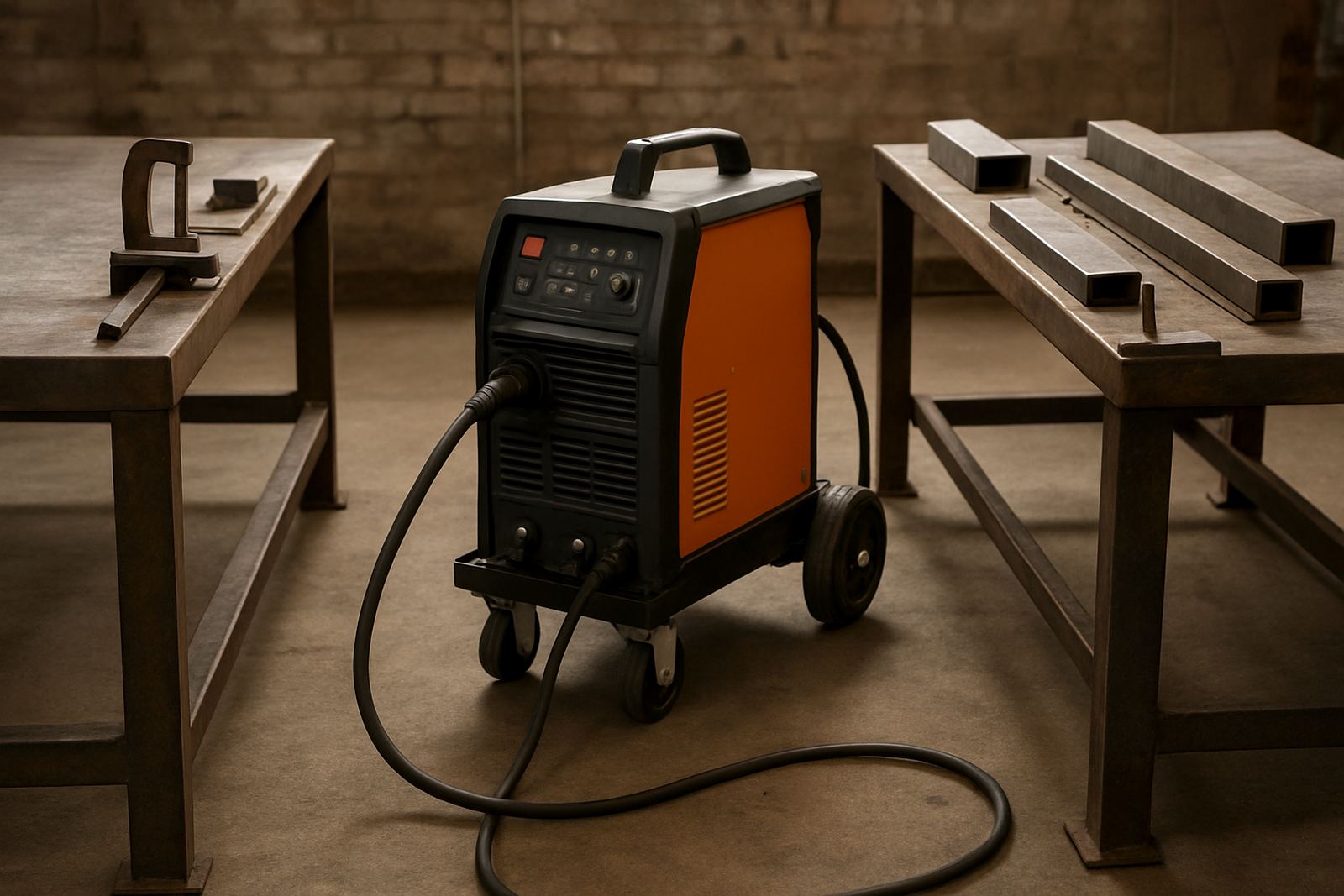
On the power side, the table itself and the plasma power source need stable supply and proper earthing. In many workshops that means planning for generator or inverter backup during load-shedding, plus protection against voltage swings. For gas and air, clean dry compressed air is critical for most handheld and CNC plasma systems. Moisture in the airline causes poor cut edges, faster consumable wear and inconsistent pierce performance. If oxygen or other process gas is part of your setup, the supply must be arranged to suit the material and thickness you cut most often.
- Level floor with enough clearance around the full travel
- Stable power supply and proper earthing
- Dry compressed air with filtration and moisture control
- Backup power planning for load-shedding where required
Keeping cut quality up with regular care and servicing
Like any CNC cutting system, the table will only stay accurate if it is looked after. Slats wear, rails collect dust, height control settings drift and torch consumables need regular checking. Preventive maintenance is cheaper than downtime, especially when the machine is part of daily output. If your team runs long shifts or cuts in dusty conditions, these checks become even more important.
PlasmaCutter supports preventive maintenance, consumables checks, CNC table servicing, height control calibration and on site breakdowns across Vereeniging, Vanderbijlpark, Sasolburg, Meyerton, Alberton, Germiston, Bloemfontein and Welkom. We also handle torch repairs, power source repairs, machine commissioning, operator training and cut quality audits. That matters if you want a table to keep producing neat parts instead of fighting with dross and uneven edges. Small issues are easier to fix early than after they turn into a bigger fault.
- Check slats, rails and drive components on a planned schedule
- Replace worn consumables before cut quality drops
- Keep air filters and moisture traps clean
- Recalibrate height control after repairs or heavy use
Key checks to make before ordering your CNC table
Before you order a mid size CNC table, work through the details that affect day to day use. The right machine depends on your sheet sizes, thickness range, output target and workshop space. If you mainly cut mild steel in medium thicknesses, your setup may differ from a workshop that needs stainless, thin sheet or a mixed materials schedule. It is worth thinking through the full process from loading the sheet to removing the finished parts.
Also check who will train your operators, who will handle setup and what support is available after commissioning. A well set up table is only useful if the team knows how to nest jobs, set cut height, manage pierce delays and inspect the first parts correctly. Our team led by Marius van der Merwe, with support from Kgomotso Mhlongo, Johan Botha, Phenyo Diale, Ruan Visser and Naledi Selebalo, helps customers choose the right table configuration and get it working properly from the start.
- Sheet size and cutting area required
- Materials and thicknesses you cut most often
- Power availability and backup plan
- Air quality, extraction and workshop layout
- Training, service and spare parts support
Key facts
| Working area | Common options from 1 500 x 3 000 mm to 2 000 x 4 000 mm |
|---|---|
| Material types | Mild steel, stainless steel and aluminium within machine limits |
| Control | CNC motion control with height control integration |
| Air requirement | Clean, dry compressed air with filtration |
| Power | Stable mains supply with backup planning for load-shedding |
| Applications | Medium production runs, fabrication, automotive and jobbing work |