
Built For Bigger Sheets And More Output
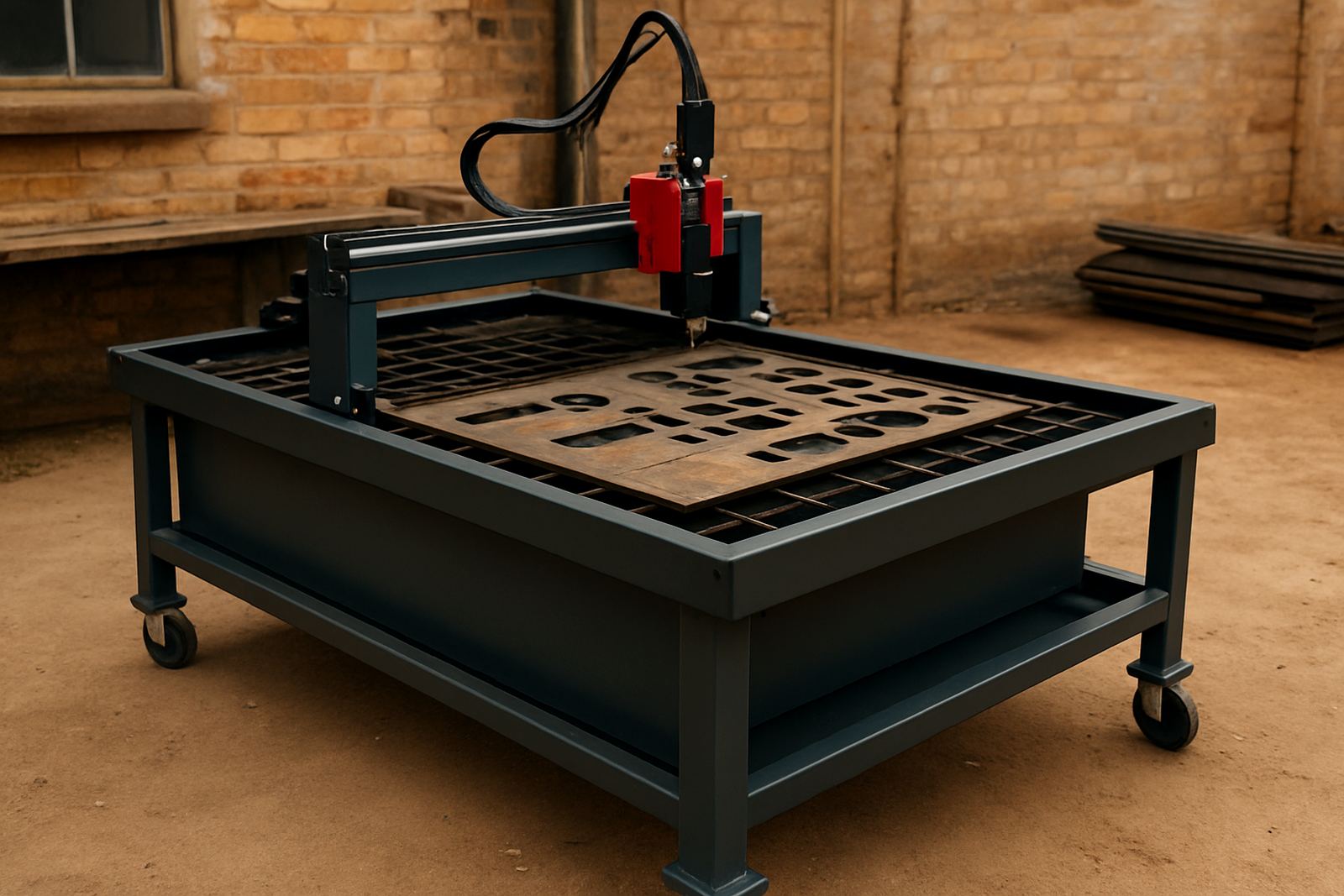
A large CNC table is the right choice when your work moves beyond small offcuts and regular mild steel plate. It gives you more cutting area, better support for full-size sheets and the control needed for repeat jobs in fabrication, truck body work, agricultural equipment, signage frames and general manufacturing. In Vereeniging and surrounding industrial areas, many workshops use this type of table when hand cutting starts slowing production or when the same part must be cut again and again with less waste.
These tables are designed for plasma cutting on larger plate sizes, with a rigid frame, guided axis movement and a cutting bed that can handle heavier material. They are suited to workshops that need clean part nesting, less manual marking out and a steadier finish across long runs. If your team is cutting gates, brackets, covers, machine parts or structural components, a large CNC table can save time on every batch.
- For plate work that needs more than a small bench sized bed
- For repeat cutting where part consistency matters
- For shops looking to reduce rework and edge cleanup
- For production teams that need better control over cut paths
Table Sizes, Cutting Area And Layout Options
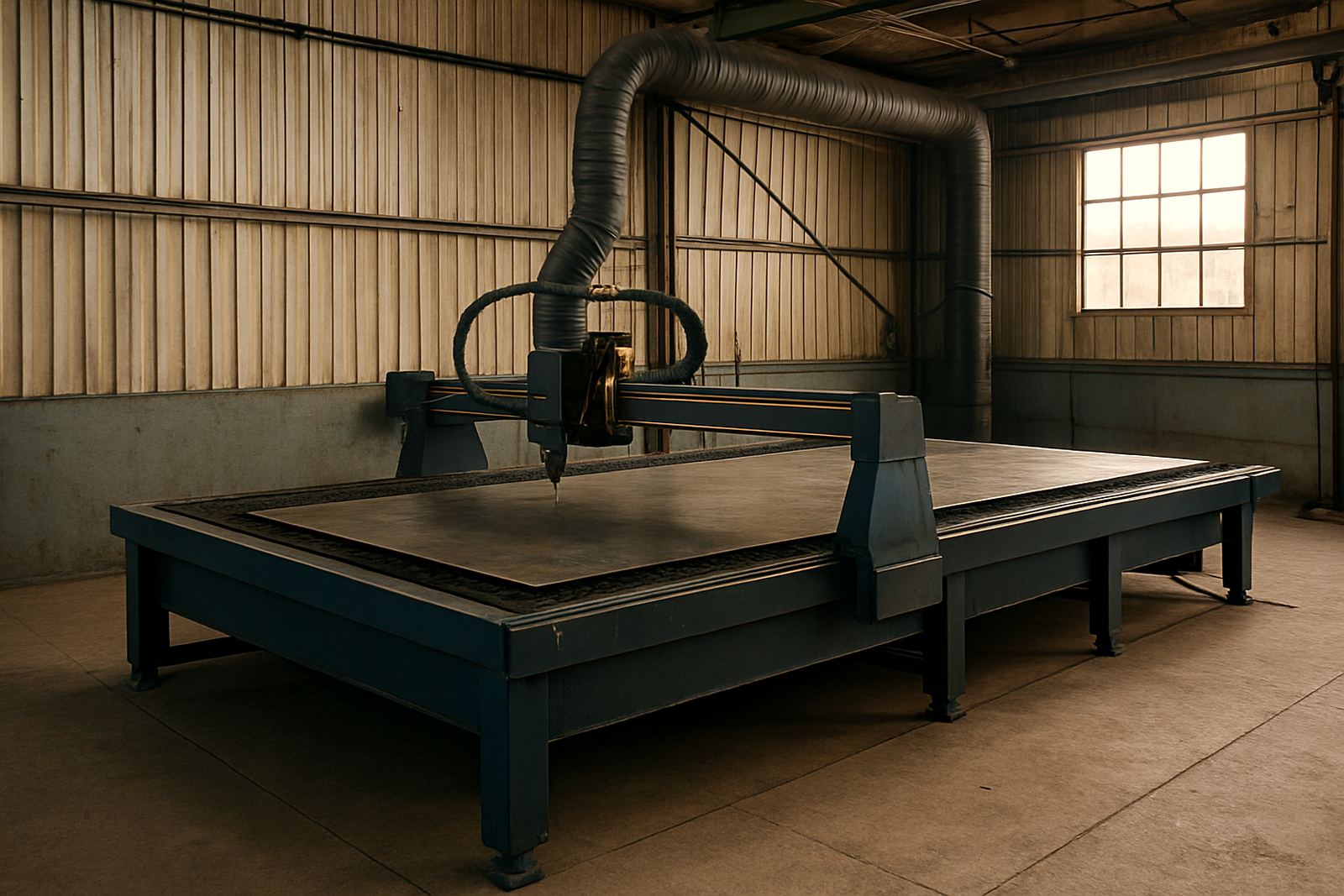
Large CNC tables are commonly supplied in formats that suit standard sheet sizes used in South African workshops. The right table depends on the sheet lengths you handle most often, the floor space you have available and whether you need a single operator system or a more active production setup. A longer table helps with nesting efficiency and reduces the need to reposition heavy plate by hand, which matters when the steel is thick or awkward to lift.
Typical working areas can range from around 2 500 mm x 6 000 mm up to 3 000 mm x 12 000 mm or more, depending on the job. Some workshops need a compact long-bed table for truck and trailer parts. Others need a wider layout for full-size industrial plate and multiple part nests. Options can include a water table or fume extraction arrangement, rack and pinion drive, torch height control and a touchscreen CNC control unit for easier daily use.
- Working area matched to sheet size and part volume
- Water table or dry extraction setup depending on workshop rules
- Single or multi-torch layout where higher throughput is needed
- Custom bed lengths for heavier fabrication work
Where A Large CNC Table Suits Best
This type of machine suits fabrication shops, structural steel yards, agricultural equipment repairers, mining supply workshops and automotive component makers who work with larger plate sections. It is also a practical fit for contract cutting businesses that process work for other shops and need a reliable table that can stay productive through long shifts. In places like Vanderbijlpark, Sasolburg, Alberton and Germiston, a lot of workshops are dealing with load-shedding, tight deadlines and mixed material jobs, so the machine has to be easy to run and keep on going.
A large CNC table can also be useful for training environments and growing businesses that want to move from manual cutting to more controlled production. If you have staff on different shifts, or if multiple operators need to use the same machine, clear controls and repeatable settings matter. The table is suitable for mild steel and other conductive plate materials commonly used in local fabrication, with the final setup depending on the power source, torch system and cutting thickness you plan to run.
- Fabrication and repair shops with mixed part sizes
- Automotive, trailer and bodywork component production
- Structural steel and maintenance workshops
- Contract cutting operations and training spaces
Power, Gas And Installation Checks
Before a large CNC table is installed, the workshop should check available floor space, level flooring, power supply and ventilation. The machine will need enough room for loading, offloading and safe operator movement. If the site is in a busy industrial area or close to the coast, dust and humidity should also be considered because both can affect moving parts, electrics and consumables over time. The installation plan should allow for proper cable routing, stable air delivery and easy access for service work.
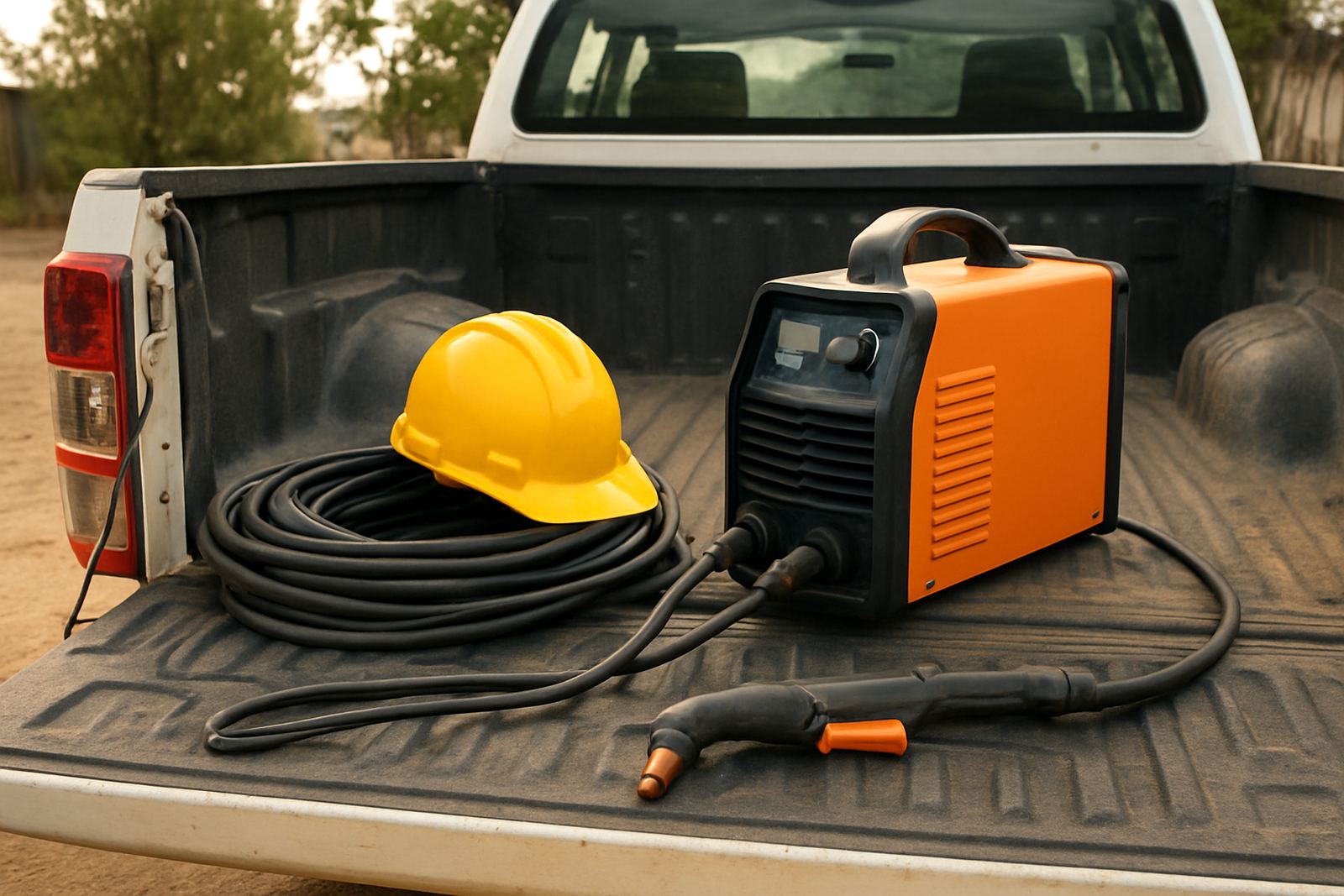
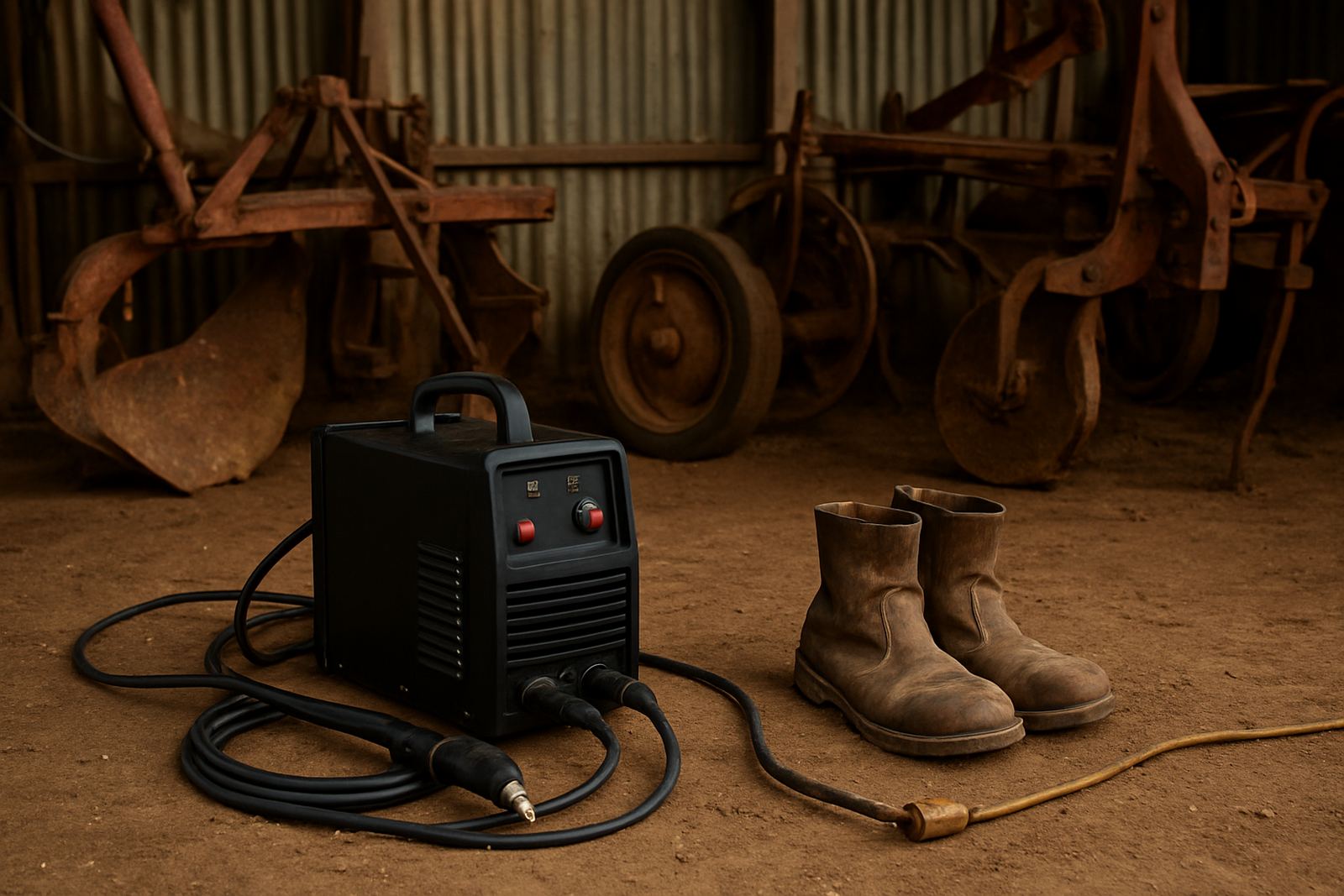
For cutting, most setups need a suitable plasma power source, clean compressed air and the correct torch arrangement for the material thickness. Air quality is important. Moisture in the airline can affect cut quality, shorten consumable life and cause inconsistent starts. If your site runs through municipal restrictions or shared supply issues, it helps to plan for a compressor system that can keep up with the table demand. During commissioning, the machine should be checked for axis travel, height control response, software setup and cut sample quality before full production starts.
- Stable mains supply with room for the plasma power source
- Dry compressed air at the pressure required by the torch
- Level floor space and clear loading access
- Ventilation or water management that suits the workshop and by-laws
Care, Servicing And Keeping Cut Quality Consistent
Like any production machine, a large CNC table works best when it is kept clean and checked regularly. Daily care should include removing slag build-up, checking rails and drive components, draining water traps and watching for worn consumables. Small issues such as poor earthing, dirty air or a loose cable can cause bad starts and poor edge finish long before a full breakdown happens. Catching those issues early saves time and reduces scrap.
PlasmaCutter supports workshops with preventive maintenance, consumables checks, air system inspection, CNC table servicing, height control calibration, machine commissioning and cut quality audits. That support helps keep the machine cutting cleanly and can reduce unexpected stoppages during busy periods. For sites in Gauteng and the Free State, on site breakdown support and operator training are especially useful when a workshop has limited spare capacity or cannot afford long delays. A well maintained table can stay accurate for a long time, but it still needs regular attention from someone who understands plasma cutting and production use.
- Check consumables before each shift
- Keep compressed air dry and clean
- Inspect torch alignment and height control settings
- Schedule regular servicing rather than waiting for a fault
What To Check Before You Order
When choosing a large CNC table, start with the actual work you need to cut. List the largest sheet size, the thickest material, the typical part shapes and your target daily output. If you cut long plates or repeated production nests, make sure the table length gives you enough room to work without constant repositioning. It also helps to know whether you want a water table, dry extraction or a mixed setup, since that affects smoke control, floor planning and maintenance.
You should also check the software workflow, operator skill level and servicing access. If your team is still learning CNC cutting, training and a simple control layout can make a big difference. Ask about spare parts, torch compatibility, height control calibration and the support available after installation. A machine that suits your workshop on paper can still miss the mark if it does not match your power supply, air system or production pace.
- Largest sheet size and average batch volume
- Thickness range and material types
- Available power, air supply and floor space
- Training, servicing and spares support after delivery
Key facts
| Working area | From about 2 500 mm x 6 000 mm up to 3 000 mm x 12 000 mm plus |
|---|---|
| Material range | Conductive plate materials commonly used in fabrication and manufacturing |
| Cutting method | Plasma cutting with CNC control |
| Options | Water table, dry extraction, torch height control, nesting software setup |
| Power need | Suitable mains supply for the plasma power source and control system |
| Support | Installation, commissioning, training, servicing and breakdown support across Gauteng and the Free State |