What a single phase cutter is and why it is used
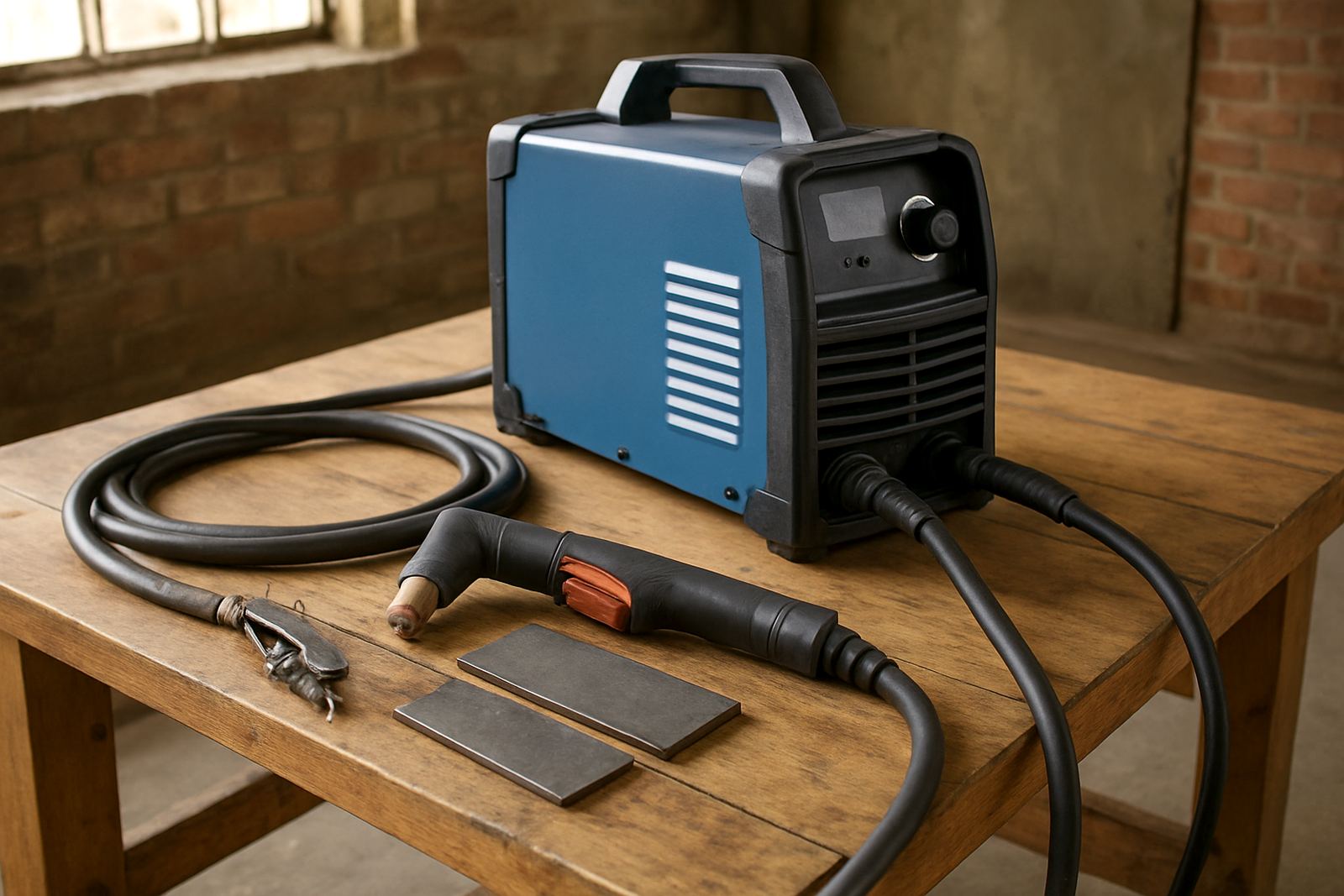
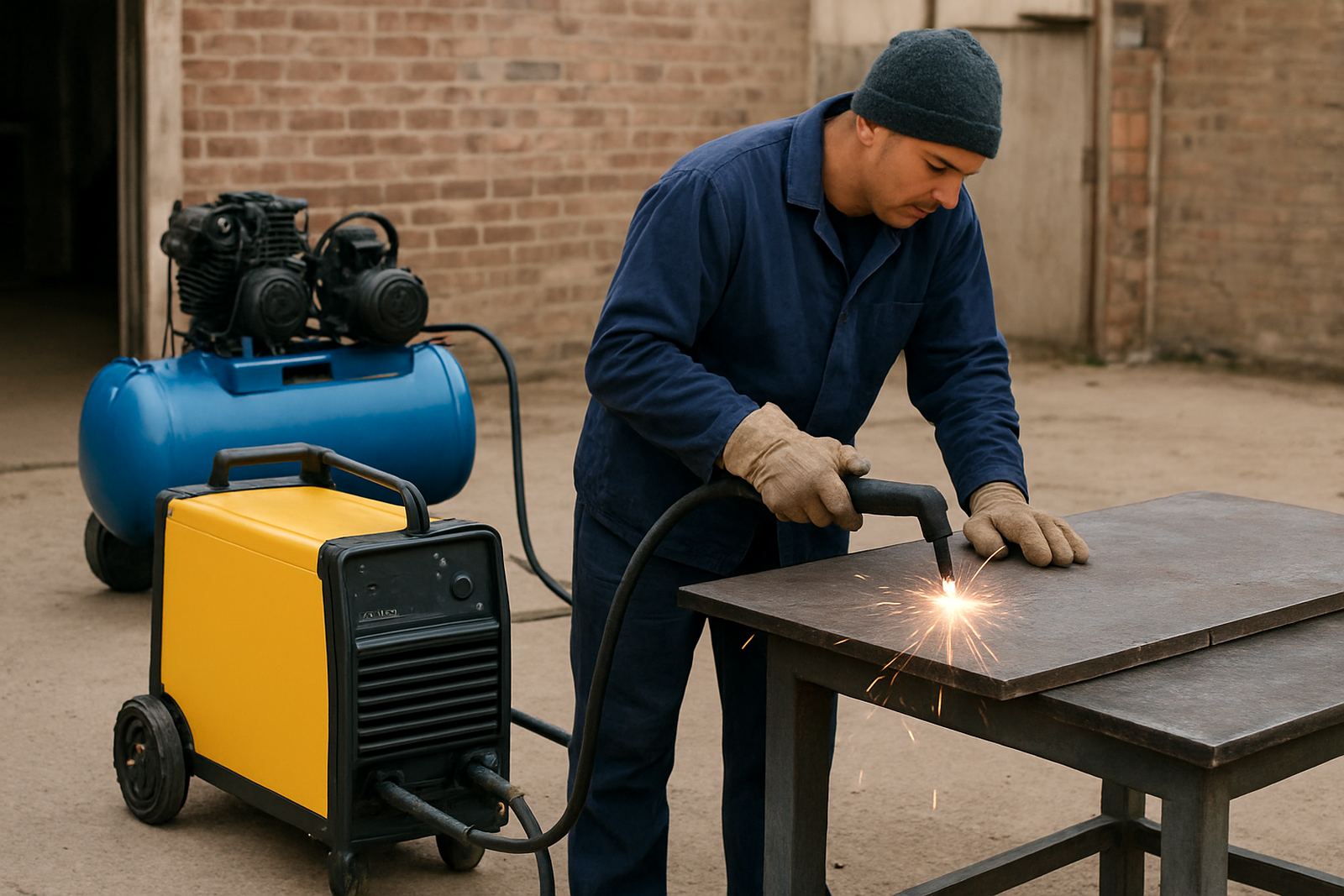
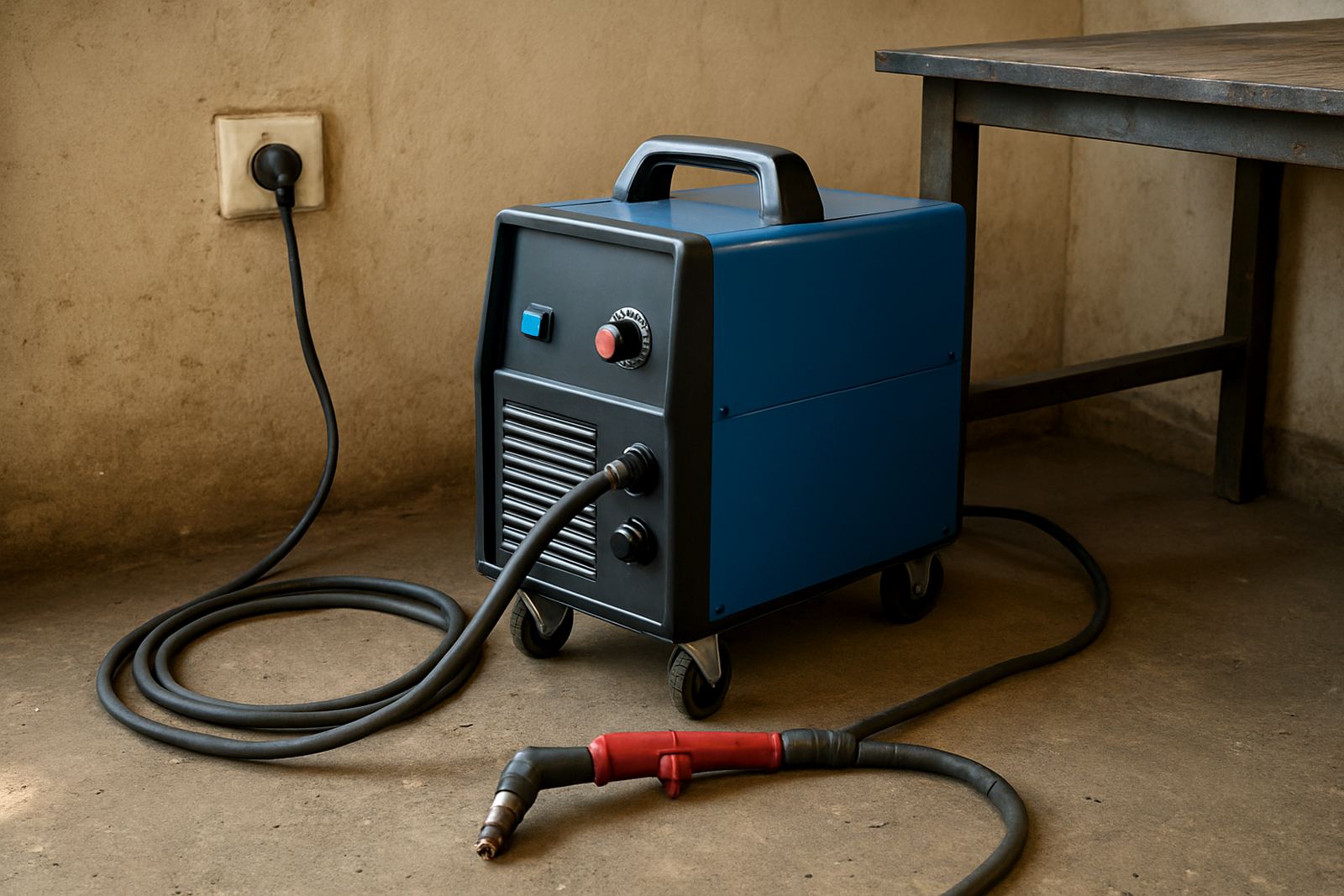
A single phase plasma cutter runs from common workshop electricity, usually 220V to 240V, so it is practical where a three phase line is not available. It uses compressed air to form a fine plasma arc that slices mild steel, stainless steel and aluminium with less grind-off than oxy-fuel on thinner material.
For Gauteng and Free State workshops this matters when power access is limited, load-shedding interrupts production or the job has to move between sites. It is a sensible option for fabrication bays, vehicle repair work, gate and fence repairs, and maintenance teams that need neat cuts without a large fixed machine setup.
Sizes and output options to match the job
Single phase units are commonly chosen by cutting current rather than machine size alone. The right model depends on plate thickness, duty cycle and how often the machine will be used in a shift. A lighter unit suits occasional cutting and site repairs, while a higher output model handles more regular work and thicker plate.
- Entry level units for light workshop work, brackets, body panels and general repair cutting
- Mid-range units for fabrication, small production runs and thicker sections up to around 12 mm to 16 mm clean cut depending on material
- Higher output single phase units for heavier cutting where only 230V supply is available
- Handheld torches for portability and manual work, or CNC-ready systems for table use
Choice also depends on whether you need drag cutting, fine piercing, gouging or cleaner edge quality for downstream welding. If you are cutting often, a machine with a stronger duty cycle is worth the extra spend.
Where this cutter suits best in Gauteng and the Free State
This type of cutter suits workshops in Vereeniging, Vanderbijlpark, Sasolburg, Meyerton, Alberton, Germiston, Bloemfontein and Welkom where standard mains supply is available but accurate cutting still has to keep up with day to day work. It is useful for steel fabricators, auto repair shops, agricultural repair teams and contractors who need a compact machine that can be moved when needed.
It also helps where municipal sites or smaller factories do not want the electrical load of larger plant. For mobile use, the machine should be paired with a suitable generator only if the generator output is correctly sized, stable and clean enough for the cutter’s input needs. Poor supply can cause nuisance tripping, short consumable life and rough edges.
- Metal fabrication and general welding shops
- Automotive repair and strip-down work
- Farm and plant maintenance crews
- Small CNC cutting tables
Power, air and installation basics
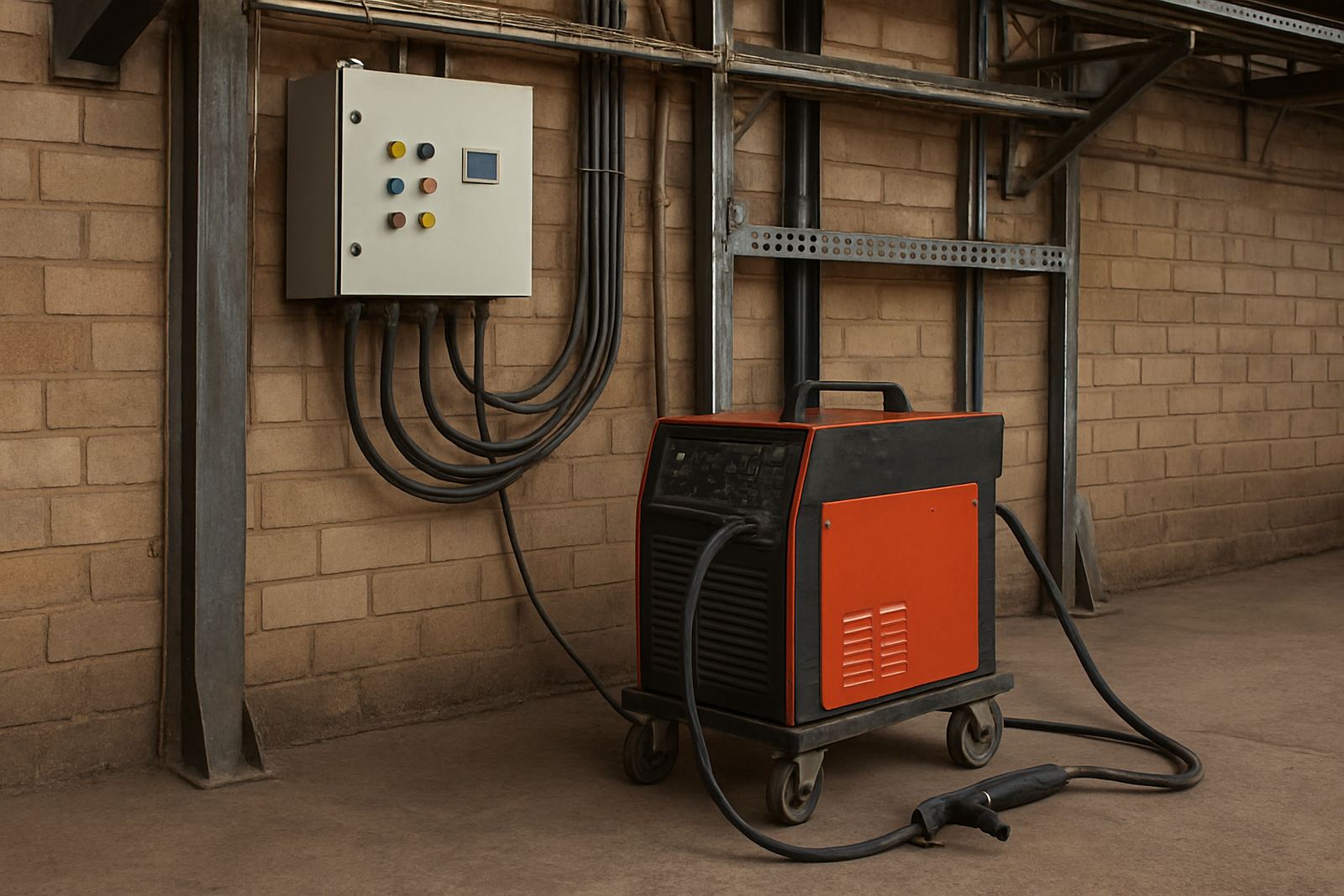
Most single phase cutters need a correctly rated 230V supply, a suitable plug and socket arrangement and a clean compressed air feed. The air supply is as important as the power source. Wet air, oil carryover and low pressure will spoil cut quality, wear consumables quickly and can damage the torch.
As a rule, keep the air line dry and filtered, with the pressure set to the machine’s required range, often around 4.5 to 6.5 bar depending on the unit. A proper isolator and cable size should be used where the current draw is high. On sites with frequent load-shedding, many users prefer surge protection and a stable backup supply rather than repeated hot starts on weak power.
- Check supply voltage and breaker size before commissioning
- Use dry, filtered compressed air at the correct pressure
- Keep torch leads clear of heat, sharp edges and traffic paths
- Allow enough ventilation around the power source
Care, servicing and cut quality control
Good care starts with clean air, correct torch handling and regular checks on consumables. Nozzles, electrodes and swirl rings wear with use, and if they are ignored the arc loses focus and the cut gets wider or more drossy. Torch bodies and leads should be inspected for damage after rough site work or transport.
PlasmaCutter supports torch repairs, power source repairs, preventive maintenance, consumables checks, air system inspection, cut quality audits and machine commissioning. That matters when a cutter is used hard in Vereeniging or sent out on site around Gauteng and the Free State. A routine service can prevent repeat downtime and keep edge quality predictable.
- Replace worn consumables before arc instability becomes a bigger fault
- Drain compressors and receivers regularly to limit moisture
- Check earth connection and clamp condition
- Keep the machine free from metal dust and grinding residue
What to check before placing an order
Before you order, confirm the material thickness you cut most often, whether you need handheld or CNC use, and how much portable work the machine must do. It also helps to know if your workshop has stable single phase supply, enough compressor capacity and the right air treatment in place. If you are cutting stainless or aluminium, say so because material type affects speed and finish.
It is also worth checking whether you need operator training, onsite commissioning or spare consumables with the first machine. A proper handover makes the unit easier to use from day one and reduces downtime when the team changes. For many buyers, the final choice comes down to power availability, expected daily hours and the thickness range that must be cut without fuss.
- Workpiece material and thickness range
- Handheld or CNC use
- Available single phase supply and breaker size
- Compressed air quality and pressure
- Need for training, servicing or site commissioning
Support from Vereeniging to surrounding areas
From the Vereeniging base, the team supports customers across Gauteng and the Free State with demos, servicing and practical setup guidance. Marius van der Merwe oversees the business, while Kgomotso Mhlongo handles sales, Johan Botha leads technical support, Phenyo Diale coordinates customer care, Ruan Visser manages field service and Naledi Selebalo handles training and demos.
If you need a single phase cutter for shop use, repair work or light production, the enquiry form on the contact page is the best way to start. The team can help you match the machine to the work, the power supply and the air system so the cutter is ready to earn its keep.
Key facts
| Input supply | Single phase 220V to 240V AC |
|---|---|
| Recommended use | Workshop, repair and light production cutting |
| Cutting process | Compressed air plasma |
| Materials | Mild steel, stainless steel, aluminium |
| Air requirement | Clean, dry compressed air at machine rated pressure |
| Support | Handheld or CNC setup, servicing and commissioning |
| Typical application | Up to medium thickness cutting depending on model and duty cycle |